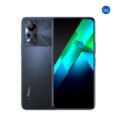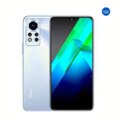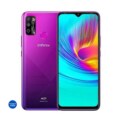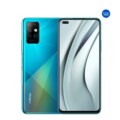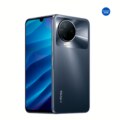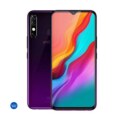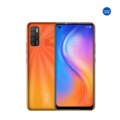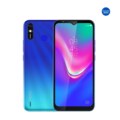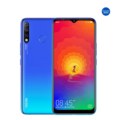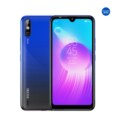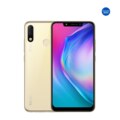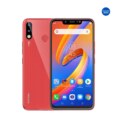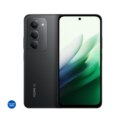

Infinix Note 8
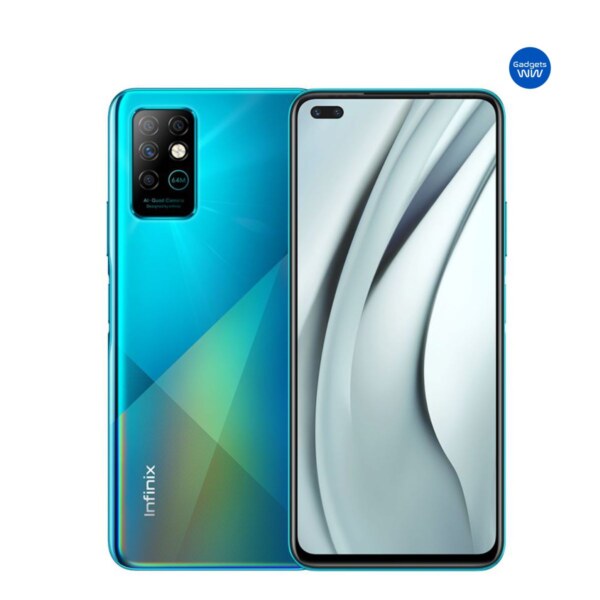
-
Display: 6.95" (720x1640 pixels)
-
Processor: MT6769V
-
Rear Camera: 64MP
-
RAM: 6GB
-
Storage: 128GB storage
-
OS: Android 10, XOS 7.1
-
Battery: 5200mAh
PROS
- Massive 6.95-inch display for media and gaming
- Excellent 5200mAh long-lasting battery
- Smooth performance with Helio G80
- 64MP quad-camera system offers versatile photography
- Dual punch-hole selfie cameras
- 18W fast charging with USB-C
- Dual stereo speakers with DTS sound
- Attractive and modern design
CONS
- Display is only HD+, not Full HD+
- Phone size may feel too large for some users
- Plastic back can scratch easily
- XOS still has some unwanted pre-installed apps
Infinix Note 8 Review: Power, Performance & Style at an Affordable Price
The Infinix Note series has always been known for delivering big screens, strong performance, long-lasting batteries, and impressive cameras at a budget-friendly price. In 2020, Infinix decided to push these qualities even further with the introduction of the Infinix Note 8. This device quickly became one of the most talked-about mid-range smartphones of the year thanks to its massive display, powerful MediaTek Helio G80 processor, upgraded cameras, and a huge 5200mAh battery.
Infinix designed the Note 8 to meet the needs of users who want top-tier performance without spending too much, gamers, students, business users, and everyday smartphone lovers who multitask heavily or consume a lot of multimedia. In this in-depth review, we break down everything the device offers, from its design to performance, battery strength, and pricing, just as it was experienced in its release year.
Design and Build Quality: Premium Looks Without the Premium Price
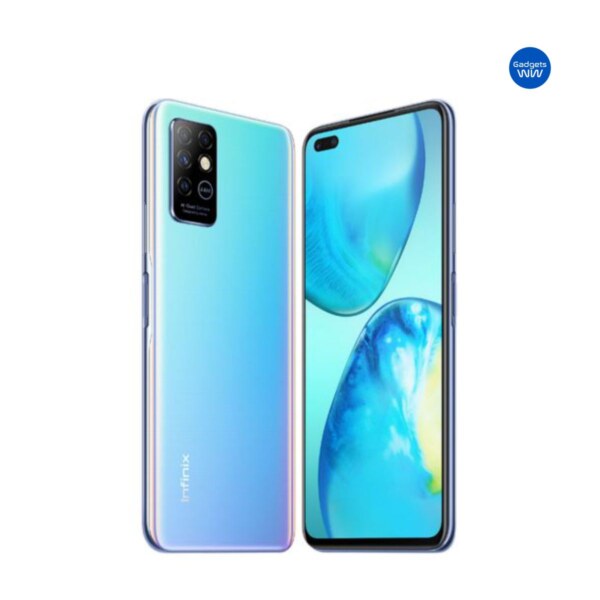
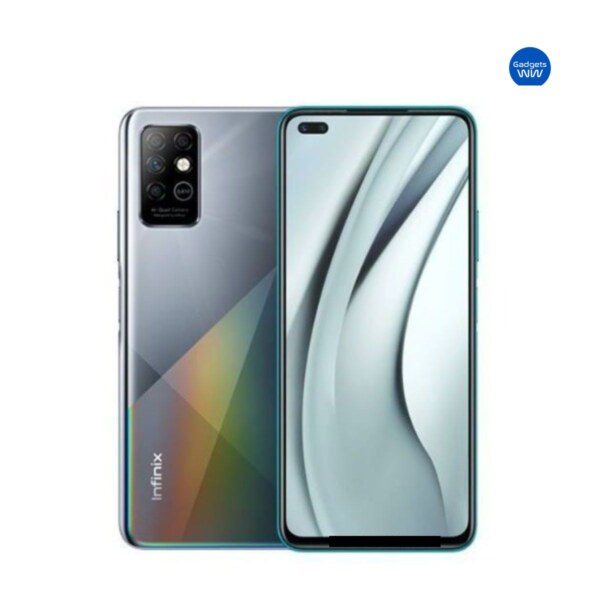
The first thing that stands out when you pick up the Infinix Note 8 is its stylish, premium-like finish. Infinix stepped up the design this year by adding a gem-cut textured pattern on the back, giving the phone a glossy and elegant appearance. Despite being made of plastic, the phone feels sturdy and well-balanced in the hand.
The Note 8 is undeniably big. With a 6.95-inch display, it leans more toward a tablet-like feel, but it’s surprisingly manageable thanks to its curved edges and slim frame. The side-mounted fingerprint sensor is conveniently placed within thumb reach, making unlocking the phone fast and natural.
Design Highlights
- Gem-cut glossy finish
- Curved edges for better grip
- Side-mounted fingerprint sensor
- Dual punch-hole camera design
- Large but modern and stylish build
The device comes in three eye-catching color variants, Deepsea Luster, Silver Diamond, and Iceland Fantasy, making it attractive regardless of your style preference.
Display: Massive 6.95-Inch Screen Designed for Entertainment
The Infinix Note 8 features an impressive 6.95-inch HD+ IPS display, one of the largest screens in its category during release. This makes it ideal for gaming, binge-watching movies, browsing social media, or reading. Although some users may prefer a Full HD+ panel, the HD+ resolution is quite acceptable for a display this size, especially considering the smooth visuals and color accuracy.
The display is bright enough for outdoor use, and the large viewing area enhances productivity, whether you’re editing documents, surfing the web, or using split-screen mode.
Display Specifications
- 6.95″ Infinity-O display
- 720 × 1640 resolution
- 20.5:9 aspect ratio
- Wide viewing angles
- Punch-hole cutout for dual selfie cameras
If you enjoy large screens, the Note 8’s display is one of the biggest and most immersive options in its price range.
Performance: Helio G80 Delivers Smooth Multitasking and Gaming
Powered by the MediaTek Helio G80 chipset, the Infinix Note 8 provides surprisingly strong performance for a mid-range smartphone. The G80 is specifically optimized for gaming and heavy usage, meaning the phone handles multitasking, app switching, and everyday tasks with ease.
Coupled with 6GB of RAM and 128GB of internal storage, the Note 8 delivers a smooth and responsive user experience. Apps open quickly, background tasks run efficiently, and the phone manages heat well even during extended usage.
Gaming Performance
Thanks to the Helio G80’s Mali-G52 GPU, games like PUBG Mobile, Call of Duty Mobile, and Free Fire run smoothly at medium-to-high settings with minimal lag. The large screen also makes the gaming experience more enjoyable.
Software Experience
The Note 8 runs on XOS 7.1, which brings:
- Better memory management
- Updated icons and animations
- Smart Panel for quick shortcuts
- App Lock for privacy
- Social Turbo for enhanced WhatsApp features
Overall, the Infinix Note 8 performs far better than many phones in its price category during its release year.
Camera: 64MP Quad Camera Setup for Versatile Photography
One of the standout features of the Infinix Note 8 is its 64MP quad-camera system, which offers excellent versatility for all kinds of photography. Whether you’re taking portraits, close-ups, or low-light shots, the Note 8 delivers impressive clarity and detail.
Rear Camera Setup
- 64MP primary lens – sharp, detailed images
- 2MP macro lens – close-up photography
- 2MP depth sensor – improved portrait bokeh
- AI lens – scene optimization
The camera performs admirably under good lighting, producing bright and colorful photos. Portrait mode is enhanced by AI processing, giving subjects clean edge detection and background blur that feels natural.
Night Mode
Thanks to improved AI scene detection, low-light shots come out clearer and more detailed compared to older Note models.
Video Recording
- 1080p video recording
- Ultra Steady Video mode for stabilization
- Slow-motion recording
Front Cameras
The dual selfie camera setup includes:
- 16MP main lens
- 2MP depth sensor
The selfie quality is excellent, with sharp skin tones, minimal smoothing, and great portrait effects.
Battery: Massive 5200mAh Power for All-Day Use
Battery life is one of the strongest selling points of the Infinix Note 8. With a 5200mAh battery, the device is built for users who rely on their phones heavily.
Battery Performance
- 2 days of average use on a single charge
- 10–12 hours of continuous gaming or video playback
- Excellent standby time
- Power-efficient chipset ensures slow battery drain
The Note 8 also supports 18W fast charging, which helps you refill the battery faster when you’re in a hurry. The included USB Type-C port is a welcome upgrade from earlier Note series models.
Whether you’re a gamer, content creator, or someone who stays on social media for hours, the Note 8 keeps up without breaking a sweat.
Audio & Multimedia: Dual Stereo Speakers Bring Your Content to Life
The Infinix Note 8 comes equipped with dual stereo speakers powered by DTS audio processing. This gives movies, music, and gaming audio a louder, clearer, and more immersive sound. Paired with the large display, the audio experience makes the Note 8 a portable entertainment device.
Even at maximum volume, the speakers maintain clarity without distortion.
Security – Fast, Responsive Options
For security, the Note 8 offers:
- Side-mounted fingerprint sensor
- AI face unlock
Both systems are fast and reliable, unlocking the phone almost instantly.
Connectivity & Other Features
- 4G LTE
- USB Type-C
- Bluetooth 5.0
- Dual SIM + microSD card slot
- FM Radio
- Gyroscope and compass sensors
These features ensure the Note 8 is fully equipped for modern smartphone use.
Price of Infinix Note 8 at Release
When the Infinix Note 8 launched in 2020, it was priced affordably considering the features it offered.
Official Release Prices
- Nigeria (Naira): ₦90,000 – ₦100,000
- United States (USD): $180 – $200
- United Kingdom (Pounds): £140 – £160
- India (Rupees): ₹13,000 – ₹15,000
These prices made it an extremely attractive choice for users who wanted premium features without overpaying.
Pros and Cons of the Infinix Note 8
Pros
- Massive 6.95-inch display for media and gaming
- Excellent 5200mAh long-lasting battery
- Smooth performance with Helio G80
- 64MP quad-camera system offers versatile photography
- Dual punch-hole selfie cameras
- 18W fast charging with USB-C
- Dual stereo speakers with DTS sound
- Attractive and modern design
Cons
- Display is only HD+, not Full HD+
- Phone size may feel too large for some users
- Plastic back can scratch easily
- XOS still has some unwanted pre-installed apps
Conclusion: Is the Infinix Note 8 Worth It?
In its release year, the Infinix Note 8 delivered exceptional value for its price. From performance to camera quality, battery life, audio strength, and overall design, the Note 8 felt like a premium device at a budget-friendly cost.
If you wanted a device that could handle gaming, photography, multitasking, entertainment, and everyday use without lag or overheating, the Note 8 was easily one of the best mid-range smartphones available in 2020.
Its large screen, powerful processor, and long battery life made it appealing to students, business users, and mobile gamers alike. For anyone seeking a reliable smartphone with above-average performance at a modest price, the Infinix Note 8 was absolutely worth buying.
Specs
LAUNCH
| Announced | 2020, October 15. Released 2020, November 04 |
| Availability | Discontinued |
NETWORK
| 2G Bands | GSM 850 / 900 / 1800 / 1900 |
| 3G Bands | HSDPA 850 / 900 / 1700(AWS) / 1900 / 2100 HSDPA 850 / 900 / 2100 HSDPA 900 / 2100 |
| 4G Bands | 1, 2, 3, 4, 5, 7, 8, 20, 28, 38, 41 1, 3, 5, 7, 8, 20, 38, 40, 41 1, 3, 7, 8, 20, 28 |
| Speed | HSPA 42.2/5.76 Mbps, LTE Cat4 150/50 Mbps |
| Technology | GSM / HSPA / LTE |
DESIGN
| Measurements | 175.3 x 78.8 x 9 mm (6.90 x 3.10 x 0.35 in) |
| Weight | - |
| SIM | Nano-SIM + Nano-SIM |
DISPLAY
| Type | IPS LCD, 480 nits (peak) |
| Size | 6.95 inches, 114.7 cm2 (~83.0% screen-to-body ratio) |
| Resolution | 720 x 1640 pixels (~258 ppi density) |
| Protection | Corning Gorilla Glass |
PLATFORM
| OS | Android 10, XOS 7.1 |
| Chipset | Mediatek MT6769V/CU Helio G80 (12 nm) |
| CPU | Octa-core (2x2.0 GHz Cortex-A75 & 6x1.8 GHz Cortex-A55) |
| GPU | Mali-G52 MC2 |
MEMORY
| Card Slot | microSDXC (dedicated slot) |
| Internal | 128GB 6GB RAM |
REAR CAMERA
| Quad | 64 MP, (wide), 1/1.73", 0.8µm, PDAF 2 MP (macro) Auxiliary lenses |
| Features | Quad-LED flash, HDR, panorama |
| Video | 1440p@30fps |
SELFIE CAMERA
| Dual | 16 MP 2 MP, (depth) |
| Features | Dual-LED flash |
| Video | 1080p@30fps |
SOUND
| Loudspeaker | Yes, with dual speakers |
| 3.5mm Jack | Yes |
COMMUNICATION
| WLAN | Wi-Fi 802.11 a/b/g/n/ac, dual-band, Wi-Fi Direct |
| Bluetooth | 5.0, A2DP, LE |
| Positioning | GPS |
| NFC | No |
| Radio | FM radio |
| USB | USB Type-C 2.0, OTG |
FEATURES
| Sensors | Fingerprint (side-mounted), accelerometer, gyro, proximity, compass |
BATTERY
| Kind | 5200 mAh |
| Charging | 18W wired |
OTHERS
| Colors | Gray, Blue, Green |
| Models | X692, MZ-Infinix X692 |
PRICE
| Nigeria | ₦90,000 – ₦100,000 |
| UK | £140 – £160 |
| USA | $180 – $200 |
| India | ₹13,000 – ₹15,000 |
EU LABEL
Reviews
Disclaimer Note
The reviews, opinions, and information shared on this blog are based on personal experiences, research, and available product details at the time of writing. While we strive to provide accurate and up-to-date information, we cannot guarantee that all specifications, prices, or features remain current.