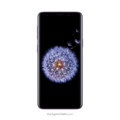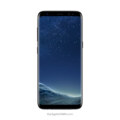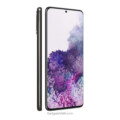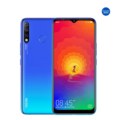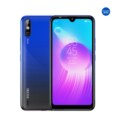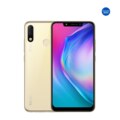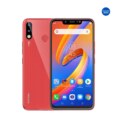

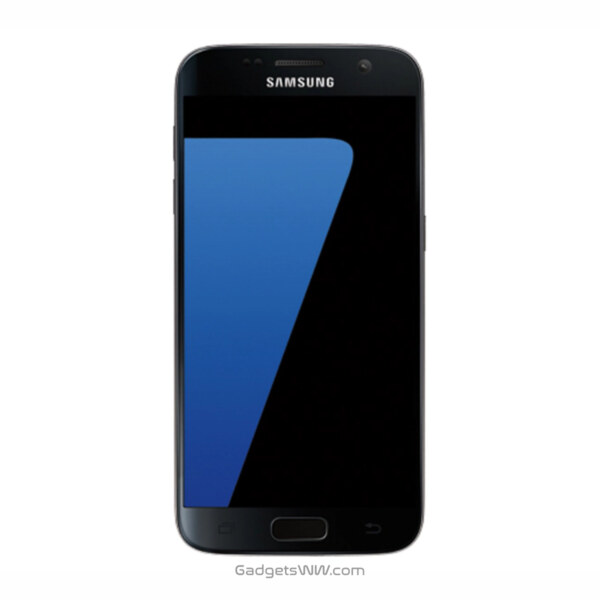
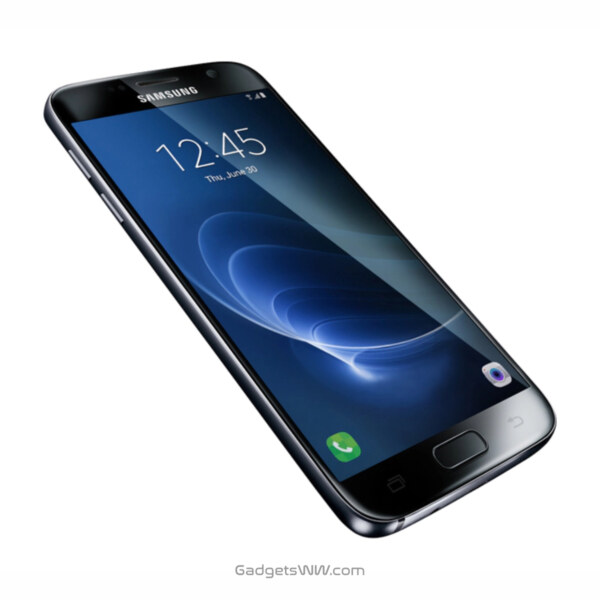
Samsung Galaxy S7
-
Display: 5.1" (1440x2560 pixels)
-
Processor: Exynos 8890 Octa (14 nm)
-
Rear Camera: 12MP
-
RAM: 4GB
-
Storage: 32GB/64GB
-
OS: Android 6.0, up to Android 8.0, TouchWiz UI
-
Battery: 3000mAh
Samsung Galaxy S7 Review (2016): Refining Perfection
Introduction: The Return of the King
After the bold design revolution of the Galaxy S6, Samsung faced a challenge: how do you perfect what’s already near perfect? In 2016, the answer arrived with the Samsung Galaxy S7.
It’s not a radical reinvention, but rather a masterclass in refinement, combining everything users loved about the Galaxy S6, fixing what they didn’t, and adding new features that made it one of the most complete smartphones of its time.
The Galaxy S7 is proof that Samsung listens. Fans wanted expandable storage, water resistance, and a bigger battery, and Samsung delivered all that in style.
Design and Build: Familiar, Yet Flawless
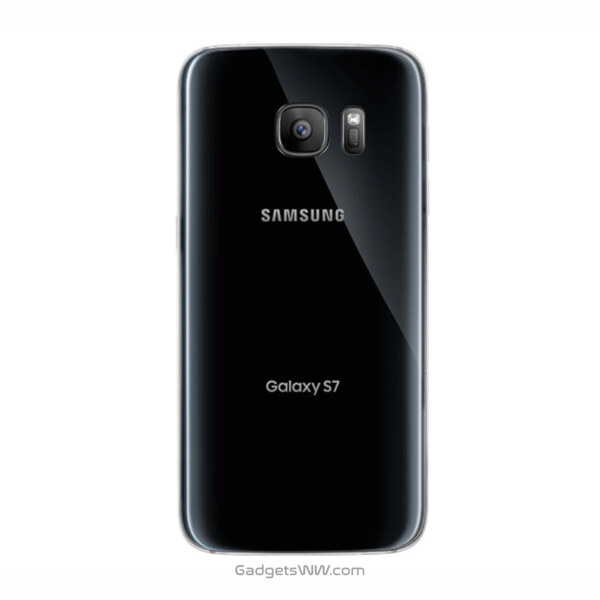
At first glance, the Samsung Galaxy S7 looks a lot like the Galaxy S6, same premium mix of glass and metal, same beautiful curves, same elegance. But pick it up, and you’ll feel the difference.
The S7’s 3D glass back now curves gently into the frame, making it far more comfortable to hold. It feels solid, balanced, and premium, everything you’d expect from a 2016 flagship.
- Dimensions:4 × 69.6 × 7.9 mm
- Weight: 152 grams
- Build: Gorilla Glass 4 front and back with aluminum frame
- Colors: Black Onyx, Gold Platinum, Silver Titanium, White Pearl
Samsung also brought back a much-requested feature, IP68 water and dust resistance, allowing the phone to survive 30 minutes in 1.5 meters of water.
In short, the Galaxy S7 design was an evolution, not a revolution, and that’s exactly what made it perfect.
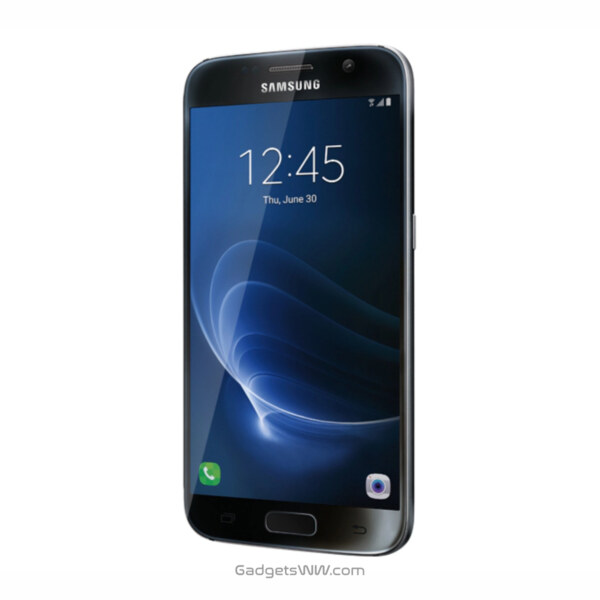
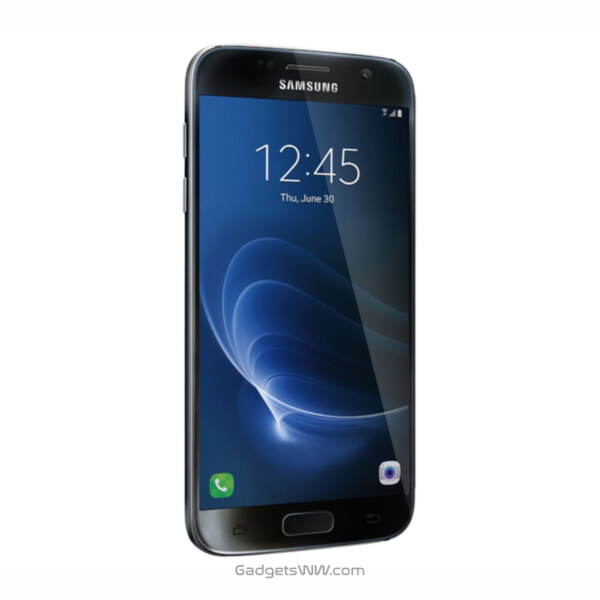
Display: Brilliance on Full Display
Samsung’s displays have always led the industry, and the Galaxy S7 display once again proved why.
- Size:1 inches
- Type: Super AMOLED
- Resolution: 2560 × 1440 pixels (Quad HD)
- Pixel Density: 577 ppi
- Protection: Corning Gorilla Glass 4
The result? A display so crisp and vibrant it almost feels alive. Blacks are deep, colors are rich, and brightness is outstanding even in direct sunlight.
The big new addition is the Always-On Display, a subtle yet useful feature that keeps the clock, calendar, or notifications visible even when the screen is off.
It’s efficient too, drawing minimal power thanks to AMOLED’s ability to light only active pixels.
Simply put, the S7’s display was the best smartphone screen of 2016, a visual masterpiece.
Samsung Galaxy S7 Specifications
| Feature | Specification |
| Display | 5.1-inch Quad HD Super AMOLED (577 ppi) |
| Processor | Exynos 8890 Octa (Global) / Snapdragon 820 (US) |
| RAM | 4 GB LPDDR4 |
| Storage | 32 / 64 GB + microSD (up to 256 GB) |
| Rear Camera | 12 MP Dual Pixel, f/1.7, OIS, 4K video |
| Front Camera | 5 MP, f/1.7 |
| Battery | 3000 mAh (non-removable) |
| OS | Android 6.0 Marshmallow (upgradable) |
| Features | IP68 water resistance, Always-On Display, Fast & Wireless charging |
| Connectivity | 4G LTE, Wi-Fi 802.11ac, Bluetooth 4.2, NFC |
Samsung made smart engineering choices, no gimmicks, just solid improvements that mattered.
Performance: Smooth and Unstoppable
Powering the Galaxy S7 is the mighty Exynos 8890 Octa-core processor (or Snapdragon 820 in select markets), paired with 4 GB of LPDDR4 RAM.
The result? Performance so fluid and consistent that even months later, it still feels brand new.
Apps open instantly. Games run smoothly. Multitasking feels effortless. The phone never hesitates, never stutters, it’s pure speed and efficiency.
Samsung also introduced a new cooling system using a tiny heat pipe, helping the device maintain performance even during heavy gaming sessions.
Combine that with the new Vulkan API for graphics, and the Galaxy S7 became a gamer’s dream.
Camera: Changing the Game
Here’s where Samsung made its boldest move, fewer megapixels, better photos.
The Galaxy S7 camera drops from 16 MP (on the S6) to 12 MP, but don’t be fooled, it’s a major upgrade.
- Resolution: 12 MP Dual Pixel sensor
- Aperture: f/1.7
- Pixel Size:4µm (56% larger than before)
- Stabilization: Optical Image Stabilization (OIS)
- Autofocus: Dual Pixel PDAF (Phase Detection Autofocus)
This Dual Pixel technology, borrowed from DSLR cameras, means instant autofocus even in low light. Combined with the wide f/1.7 aperture and larger pixels, low-light photos look bright, sharp, and natural.
The front camera, at 5 MP (f/1.7), produces great selfies even indoors.
Samsung’s camera app is quick and intuitive, double-tap the home button to launch instantly, swipe to change modes, and shoot like a pro with manual controls.
In 2016, no other smartphone camera came close. The Galaxy S7 redefined mobile photography.
Software: Streamlined and Smart
Running Android 6.0 Marshmallow with Samsung’s refined TouchWiz UI, the Galaxy S7 feels cleaner and faster than ever before.
Samsung trimmed the bloat, polished the animations, and improved usability. The Edge UX, especially on the S7 Edge, got deeper customization, but even the standard S7 benefited from software simplicity and smooth performance.
Key software features include:
- Always-On Display customization
- Game Launcher and Game Tools
- Smart Switch for easy phone migration
- Samsung Pay with NFC and MST
- S Health with accurate heart rate tracking
Samsung found the sweet spot between functionality and elegance, delivering a mature, stable experience.
Battery Life: Stronger and Smarter
After criticism of the Galaxy S6’s endurance, Samsung came back strong with the Galaxy S7 battery. The 3000 mAh cell delivers all-day performance, easily 4–5 hours of screen-on time. Even better, the Galaxy S7 supports both Fast Charging and Wireless Charging, letting users go from 0 to 100% in just over an hour and a half.
Smart power management features in Marshmallow, like Doze Mode, help conserve energy when the phone is idle. It’s the kind of reliability users had been craving, and Samsung finally nailed it.
Storage: The Triumphant Return of microSD
One of the biggest complaints about the Galaxy S6 was the lack of expandable storage. Samsung listened, and brought back the microSD slot, supporting up to 256 GB cards.
This small change was a massive win for fans. With 32 GB or 64 GB internal options, plus external storage, users finally had flexibility again, without sacrificing design or performance.
Connectivity and Extras
As expected from a flagship, the Galaxy S7 covers every connectivity need:
- 4G LTE (Cat 9)
- Dual-band Wi-Fi 802.11 a/b/g/n/ac
- Bluetooth 4.2, NFC
- GPS + GLONASS
- USB 2.0 (micro-USB)
Yes, Samsung stuck with micro-USB instead of USB-C; a conservative choice in 2016, but one that ensured accessory compatibility.
The fingerprint sensor embedded in the home button is fast and accurate, while the heart rate monitor and barometer add unique health-tracking capabilities.
Audio and Multimedia
The single bottom speaker remains clear and powerful, but plug in headphones, and you’ll experience superb 24-bit audio output.
Samsung also improved audio processing for richer, cleaner sound, especially noticeable when watching movies or gaming.
Combined with that gorgeous AMOLED display, the Galaxy S7 multimedia experience was simply unbeatable in its class.
Galaxy S7 vs Galaxy S6
| Feature | Galaxy S6 | Galaxy S7 |
| Display | 5.1″ QHD Super AMOLED | 5.1″ QHD Super AMOLED |
| Processor | Exynos 7420 | Exynos 8890 / Snapdragon 820 |
| RAM | 3 GB | 4 GB |
| Camera | 16 MP (f/1.9) | 12 MP Dual Pixel (f/1.7) |
| Battery | 2550 mAh | 3000 mAh |
| Storage | No microSD | microSD up to 256 GB |
| Water Resistance | No | IP68 |
Samsung refined every key area, camera, battery, performance, and practicality, creating one of the most balanced smartphones ever made.
Pros and Cons
Pros:
- Gorgeous design and premium build
- Stunning Quad HD AMOLED display
- Best-in-class camera (Dual Pixel)
- microSD card slot returns
- IP68 water and dust resistance
- Excellent performance and battery life
- Always-On Display adds real convenience
Cons:
- Non-removable battery
- Still micro-USB (no USB-C)
- Fingerprint-prone glass surfaces
Conclusion: The Galaxy Reborn
The Samsung Galaxy S7 wasn’t about reinventing the wheel, it was about perfecting it.
It took everything the Galaxy S6 did right, design, display, performance, and enhanced it with real-world usability: waterproofing, expandable storage, and longer battery life.
For many, it was the best smartphone of 2016, and even today, it remains a symbol of Samsung’s golden era of craftsmanship and innovation.
If the Galaxy S6 was beautiful, the Galaxy S7 was brilliant, a phone that didn’t just look the part but performed like a champion in every way.
Specs
LAUNCH
| Announced | 2016, February 21. Released 2016, March 11 |
| Availability | Discontinued |
NETWORK
| 2G Bands | GSM 850 / 900 / 1800 / 1900 - SIM 1 & SIM 2 - G930FD |
| 3G Bands | HSDPA 850 / 900 / 1700(AWS) / 1900 / 2100 - G930F, G930FD, G930W8 |
| 4G Bands | 1, 2, 3, 4, 5, 7, 8, 12, 13, 17, 18, 19, 20, 25, 26, 28, 38, 39, 40, 41 - G930F, G930FD 1, 2, 3, 4, 5, 7, 8, 12, 13, 17, 18, 19, 20, 25, 29, 30, 38, 39, 40, 41 - G930W8 |
| Speed | HSPA 42.2/5.76 Mbps, LTE (3CA) Cat9 450/50 Mbps |
| Technology | GSM / HSPA / LTE |
DESIGN
| Measurements | 142.4 x 69.6 x 7.9 mm (5.61 x 2.74 x 0.31 in) |
| Weight | 152 g (5.36 oz) |
| Build | Glass front (Gorilla Glass 4), glass back (Gorilla Glass 4), aluminum frame |
| SIM | · Nano-SIM (G930F) · Nano-SIM + Nano-SIM (G930FD) |
| Extra | IP68 dust tight and water resistant (immersible up to 1.5m for 30 min) |
DISPLAY
| Type | Super AMOLED |
| Size | 5.1 inches, 71.5 cm2 (~72.1% screen-to-body ratio) |
| Resolution | 1440 x 2560 pixels, 16:9 ratio (~577 ppi density) |
| Protection | Corning Gorilla Glass 4 |
PLATFORM
| OS | Android 6.0 (Marshmallow), upgradable to Android 8.0 (Oreo), TouchWiz UI |
| Chipset | Exynos 8890 Octa (14 nm) |
| CPU | Octa-core (4x2.3 GHz Mongoose & 4x1.6 GHz Cortex-A53) |
| GPU | Mali-T880 MP12 |
MEMORY
| Card Slot | microSDXC (uses shared SIM slot) - dual SIM model only |
| Internal | 32GB 4GB RAM, 64GB 4GB RAM | UFS 2.0 |
REAR CAMERA
| Single | 12 MP, f/1.7, 26mm (wide), 1/2.55", 1.4µm, dual pixel PDAF, OIS |
| Features | LED flash, auto-HDR, panorama |
| Video | 4K@30fps, 1080p@30fps (gyro-EIS), 1080p@60fps, 720p@240fps, HDR, stereo sound rec., OIS |
SELFIE CAMERA
| Single | 5 MP, f/1.7, 22mm (wide), 1/4.1", 1.34µm |
| Features | HDR |
| Video | 1440p |
SOUND
| Loudspeaker | Yes |
| 3.5mm Jack | Yes | 24-bit/192kHz audio |
COMMUNICATION
| WLAN | Wi-Fi 802.11 a/b/g/n/ac, dual-band, Wi-Fi Direct |
| Bluetooth | 4.2, A2DP, LE, aptX |
| Positioning | GPS, GLONASS, BDS |
| NFC | Yes |
| Radio | No |
| USB | microUSB 2.0, OTG |
FEATURES
| Sensors | Fingerprint (front-mounted), accelerometer, gyro, proximity, compass, barometer, heart rate, SpO2 |
| . | ANT+ S-Voice natural language commands and dictation Samsung Pay (Visa, MasterCard certified) |
BATTERY
| Kind | Li-Ion 3000 mAh, non-removable |
| Charging | 15W wired, QC2 | Wireless (Qi) (market dependent) |
| Talktime | Up to 22 h (3G) |
| Music Time | Up to 62 h |
OTHERS
| Colors | Black, White, Gold, Silver, Pink Gold |
| Models | SM-G930F, SM-G930A, SM-G930P, SM-G930V, SM-G930T, SM-G930R, SM-G930F, SM-G930FD, SM-G930W8, SM-G930S, SM-G930L, SM-G930K, SM-G9300 |
| SAR | 1.40 W/kg (head) 1.59 W/kg (body) |
| SAR EU | 0.41 W/kg (head) 0.62 W/kg (body) |
PRICE
| UK | £164 |
EU LABEL
Reviews
Disclaimer Note
The reviews, opinions, and information shared on this blog are based on personal experiences, research, and available product details at the time of writing. While we strive to provide accurate and up-to-date information, we cannot guarantee that all specifications, prices, or features remain current.