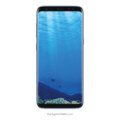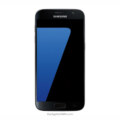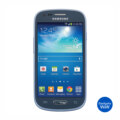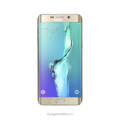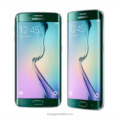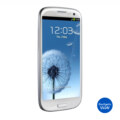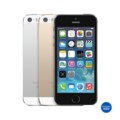

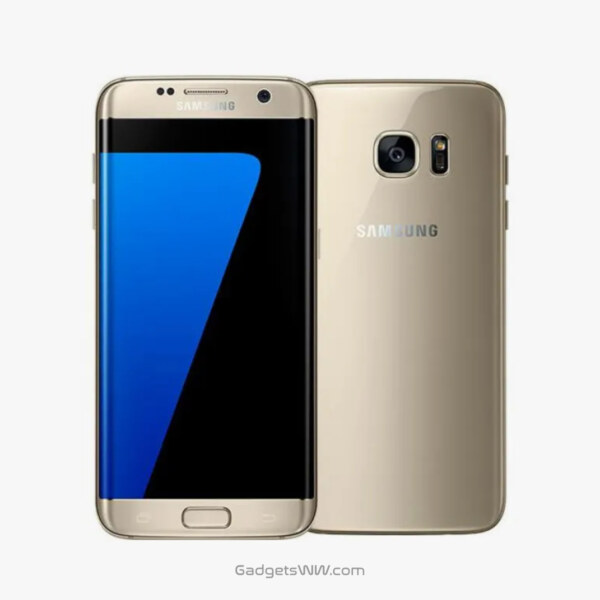
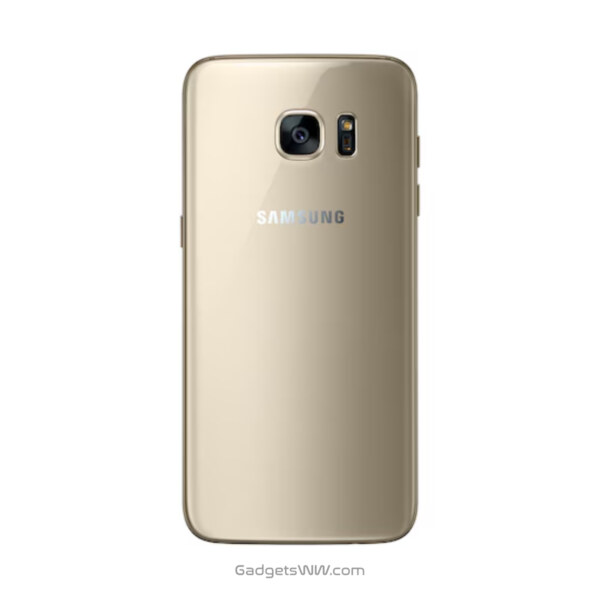
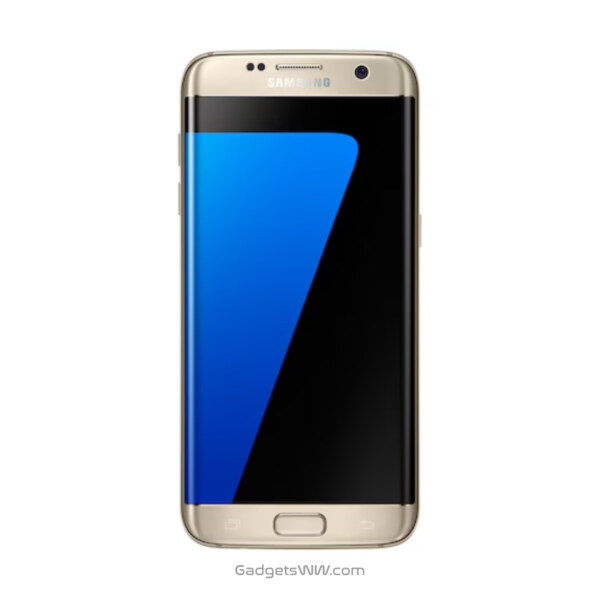
Samsung Galaxy S7 Edge
-
Display: 5.5" (1440x2560 pixels)
-
Processor: Qualcomm MSM8996 Snapdragon 820 (14 nm) - G9350 | Exynos 8890 Octa (14 nm) - G935FD, G935F, G935W8
-
Rear Camera: 12MP
-
RAM: 4GB
-
Storage: 32GB/64GB/128GB
-
OS: Android 6.0, up to Android 8.0, TouchWiz UI
-
Battery: 3600mAh
Samsung Galaxy S7 Edge Review (2016): The Perfect Curve
Introduction: The Edge That Changed Everything
In 2016, Samsung didn’t just refine its flagship lineup, it redefined what a smartphone could be. Enter the Samsung Galaxy S7 Edge, a phone that blurred the lines between technology and art.
Following the success of the Galaxy S6 Edge, Samsung’s second-generation curved flagship returned with bigger ambitions, sharper engineering, and a bolder personality. The Galaxy S7 Edge wasn’t just a phone, it was a statement. A showcase of Samsung’s design mastery, camera innovation, and hardware excellence.
If the Galaxy S7 was the perfect smartphone, the S7 Edge was its beautiful, curvy twin, and arguably, the best Android phone of 2016.
Design and Build: A Masterpiece in Metal and Glass
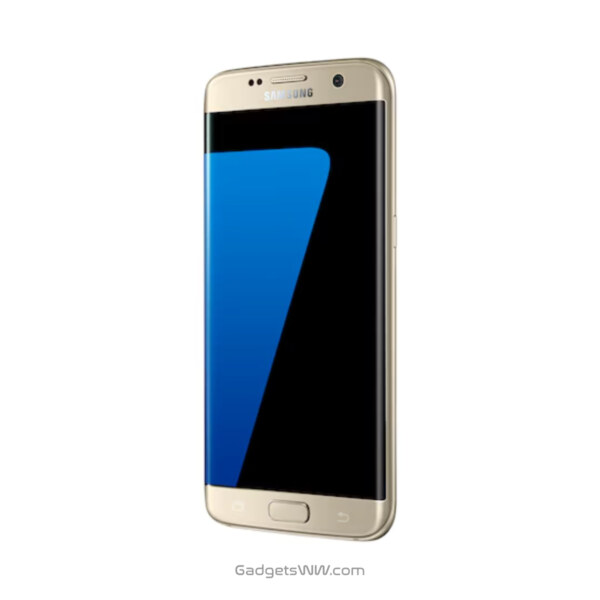
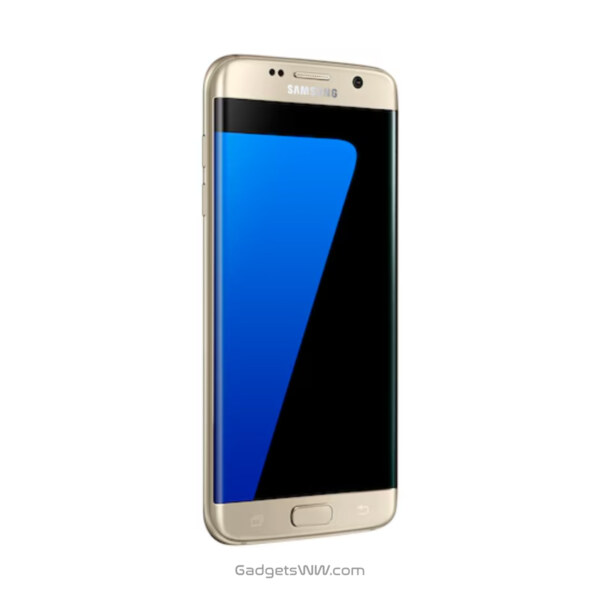
The Galaxy S7 Edge design is one of the most beautiful in smartphone history. Samsung’s blend of 3D curved glass and polished aluminium feels luxurious and futuristic.
- Dimensions:9 × 72.6 × 7.7 mm
- Weight: 157 grams
- Build: Gorilla Glass 4 (front and back), aluminium frame
- Colors: Black Onyx, Gold Platinum, Silver Titanium, and later Coral Blue
The curved edges aren’t just for looks. They make the display feel like it’s spilling over the sides, creating an immersive, borderless illusion. This time, Samsung got the ergonomics right. The phone is slim, comfortable to hold, and feels less slippery than its predecessor.
And yes, IP68 water and dust resistance is back. You can dunk the S7 Edge in up to 1.5 meters of water for 30 minutes, and it’ll keep going strong. Simply put, the S7 Edge was the most beautiful smartphone you could buy in 2016.
Display: Curves That Captivate
Samsung’s displays have always set the bar, and the Galaxy S7 Edge display raised it even higher.
- Size:5 inches
- Type: Super AMOLED
- Resolution: 2560 × 1440 (Quad HD)
- Pixel Density: 534 ppi
- Protection: Corning Gorilla Glass 4
The result is a screen that’s vivid, razor-sharp, and breathtakingly bright. Whether you’re watching 4K YouTube videos, scrolling through photos, or playing games, the colors pop with life. The dual-edge design isn’t just cosmetic. It houses Edge Panels, giving you quick access to apps, contacts, weather, and tools, all with a simple swipe.
And then came something new: Always-On Display, showing the time, date, or battery status even when the screen is off. It’s functional, elegant, and battery-efficient. The S7 Edge display wasn’t just the best of 2016, it was arguably the best smartphone screen ever made at that time.
Samsung Galaxy S7 Edge Specifications
| Feature | Specification |
| Display | 5.5-inch Quad HD Super AMOLED (534 ppi) |
| Processor | Exynos 8890 Octa (Global) / Snapdragon 820 (US) |
| RAM | 4 GB LPDDR4 |
| Storage | 32 / 64 GB + microSD (up to 256 GB) |
| Rear Camera | 12 MP Dual Pixel, f/1.7, OIS, 4K video |
| Front Camera | 5 MP, f/1.7 |
| Battery | 3600 mAh (non-removable) |
| OS | Android 6.0 Marshmallow |
| Features | IP68 water resistance, Always-On Display, Edge Panels |
| Connectivity | 4G LTE, Wi-Fi 802.11ac, Bluetooth 4.2, NFC |
Every component feels carefully chosen. Nothing excessive, just pure power and polish.
Performance: Power Meets Efficiency
Under the hood, the Exynos 8890 Octa-core processor (or Snapdragon 820 in some markets) delivers flawless performance. Combined with 4 GB of RAM, the Galaxy S7 Edge handles multitasking like a champ. You can jump between heavy apps, stream videos, and game in high definition, all without lag or heat.
Samsung also introduced a liquid cooling system, ensuring consistent performance even under heavy load. The Game Launcher feature was a first, giving players performance controls, recording tools, and “Do Not Disturb” options. It’s fast, fluid, and smart, everything you’d want from a 2016 flagship and more.
Camera: Redefining Smartphone Photography
In 2016, smartphone photography took a massive leap, and the Galaxy S7 Edge camera led the charge. Samsung made a daring move: reducing megapixels from 16 MP (on the S6 Edge) to 12 MP, but with larger 1.4µm pixels and a wider f/1.7 aperture, it captured more light, more detail, and more magic.
- Rear Camera: 12 MP Dual Pixel, f/1.7, OIS
- Front Camera: 5 MP, f/1.7
- Video: 4K UHD @ 30fps
The Dual Pixel autofocus was revolutionary. It locked onto subjects instantly, even in near-dark conditions, something unheard of at the time. Low-light shots came out bright, crisp, and full of color. Even motion blur was dramatically reduced.
Selfies on the 5 MP front camera were equally impressive, sharp, well-lit, and flattering. In 2016, no other smartphone camera came close. The Galaxy S7 Edge camera wasn’t just great, it set a new standard.
Software: Simplicity with Smart Touches
Running Android 6.0 Marshmallow with Samsung’s refined TouchWiz UI, the S7 Edge offered a smoother, more intuitive experience than ever.
Key features included:
- Edge Panels: Access apps, contacts, tools, and news feeds.
- Always-On Display: View time and notifications without waking the phone.
- Smart Manager: Control battery, storage, and security.
- Samsung Pay: NFC and MST support for real-world transactions.
- S Health: Accurate step, heart rate, and sleep tracking.
Samsung trimmed the excess bloat and focused on usability, resulting in an interface that felt both powerful and polished.
Battery Life: Long, Strong, and Reliable
The Galaxy S7 Edge battery got a huge bump, 3600 mAh, up from 2600 mAh on the S6 Edge. This wasn’t just an upgrade, it was liberation. With smart power management and the efficiency of the 14nm Exynos chip, the S7 Edge comfortably lasted a full day and beyond.
It also supported:
- Fast Charging (0–100% in under 90 minutes)
- Fast Wireless Charging
Even the Always-On Display barely touched the battery, thanks to AMOLED efficiency. If endurance mattered, the S7 Edge was the king of 2016.
Storage: The microSD Slot Returns
After the outcry over the missing expandable storage on the S6 series, Samsung listened. The Galaxy S7 Edge storage supports microSD expansion up to 256 GB, perfect for photos, videos, and games. With fast UFS 2.0 internal memory and the flexibility of external storage, users finally got the best of both worlds.
Connectivity and Features
As expected from a premium flagship:
- 4G LTE (Cat 9)
- Dual-band Wi-Fi 802.11ac
- Bluetooth 4.2 LE
- NFC + MST (for Samsung Pay)
- GPS + GLONASS
- Fingerprint Sensor integrated into the Home button
The IP68 rating, microSD slot, and MST-based Samsung Pay support made the S7 Edge not just powerful but practical.
Galaxy S7 vs Galaxy S7 Edge
| Feature | Galaxy S7 | Galaxy S7 Edge |
| Display | 5.1-inch Flat | 5.5-inch Dual Curved |
| Battery | 3000 mAh | 3600 mAh |
| Dimensions | 142.4 × 69.6 × 7.9 mm | 150.9 × 72.6 × 7.7 mm |
| Weight | 152g | 157g |
| Design | Flat glass | Curved dual-edge glass |
The S7 Edge offered a larger screen, bigger battery, and sleeker design, all without making the phone feel bulky. It was the definitive Galaxy of 2016.
Pros and Cons
Pros:
- Stunning curved design
- Best-in-class Quad HD AMOLED display
- Exceptional camera with Dual Pixel tech
- Long battery life with fast and wireless charging
- Water and dust resistant (IP68)
- microSD slot returns
- Smooth, fast performance
Cons:
- Glass design attracts fingerprints
- Non-removable battery
- Edge panels could still use refinement
Conclusion: Beauty Meets Power
The Samsung Galaxy S7 Edge wasn’t just another flagship, it was a masterpiece. Samsung perfected the curved design it pioneered, paired it with the best display and camera in the business, and wrapped it all in a feature-rich, waterproof shell.
It was everything users wanted, and more. The S7 Edge marked a turning point for Samsung, transforming the Galaxy line from a powerful brand into a design icon. In 2016, this was the phone everyone wanted to own. And even today, years later, it remains a symbol of premium Android excellence.
If perfection could be curved, it would look exactly like the Samsung Galaxy S7 Edge.
Specs
LAUNCH
| Announced | 2016, February 21. Released 2016, March 11 |
| Availability | Discontinued |
NETWORK
| 2G Bands | GSM 850 / 900 / 1800 / 1900 - SIM 1 & SIM 2 - G935FD, G9350 |
| 3G Bands | HSDPA 850 / 900 / 1700(AWS) / 1900 / 2100 - G935F, G935FD, G935W8 | HSDPA 850 / 900 / 1900 / 2100 & TD-SCDMA - G9350 |
| 4G Bands | 1, 2, 3, 4, 5, 7, 8, 12, 13, 17, 18, 19, 20, 25, 26, 28, 38, 39, 40, 41 - G935F, G935FD 1, 2, 3, 4, 5, 7, 8, 12, 13, 17, 18, 19, 20, 25, 26, 38, 39, 40, 41 - G9350 1, 2, 3, 4, 5, 7, 8, 12, 13, 17, 18, 19, 20, 25, 29, 30, 38, 39, 40, 41 - G935W8 |
| Speed | HSPA 42.2/5.76 Mbps, LTE (3CA) Cat9 450/50 Mbps |
| Technology | GSM / HSPA / LTE |
DESIGN
| Measurements | 150.9 x 72.6 x 7.7 mm (5.94 x 2.86 x 0.30 in) |
| Weight | 157 g (5.54 oz) |
| Build | Glass front (Gorilla Glass 4), glass back (Gorilla Glass 4), aluminum frame |
| SIM | · Nano-SIM (G935F, G935W8) | · Nano-SIM + Nano-SIM (G935FD) |
| Extra | IP68 dust tight and water resistant (immersible up to 1.5m for 30 min) |
DISPLAY
| Type | Super AMOLED |
| Size | 5.5 inches, 83.4 cm2 (~76.1% screen-to-body ratio) |
| Resolution | 1440 x 2560 pixels, 16:9 ratio (~534 ppi density) |
| Protection | Corning Gorilla Glass 4 |
PLATFORM
| OS | Android 6.0 (Marshmallow), upgradable to Android 8.0 (Oreo), TouchWiz UI |
| Chipset | Qualcomm MSM8996 Snapdragon 820 (14 nm) - G9350 | Exynos 8890 Octa (14 nm) - G935FD, G935F, G935W8 |
| CPU | Quad-core (2x2.15 GHz Kryo & 2x1.6 GHz Kryo) - G9350 Octa-core (4x2.3 GHz Mongoose & 4x1.6 GHz Cortex-A53) - G935FD, G935F, G935W8 |
| GPU | Adreno 530 - G9350 Mali-T880 MP12 - G935FD, G935F, G935W8 |
MEMORY
| Card Slot | microSDXC (uses shared SIM slot) - dual SIM model only |
| Internal | 32GB 4GB RAM, 64GB 4GB RAM, 128GB 4GB RAM | UFS 2.0 |
REAR CAMERA
| Single | 12 MP, f/1.7, 26mm (wide), 1/2.55", 1.4µm, dual pixel PDAF, OIS |
| Features | LED flash, auto-HDR, panorama |
| Video | 4K@30fps, 1080p@30fps (gyro-EIS), 1080p@60fps, 720p@240fps, HDR, stereo sound rec., OIS |
SELFIE CAMERA
| Single | 5 MP, f/1.7, 22mm (wide), 1/4.1", 1.34µm |
| Features | HDR |
SOUND
| Loudspeaker | Yes |
| 3.5mm Jack | Yes | 24-bit/192kHz audio |
COMMUNICATION
| WLAN | Wi-Fi 802.11 a/b/g/n/ac, dual-band, Wi-Fi Direct |
| Bluetooth | 4.2, A2DP, LE, aptX |
| Positioning | GPS, GLONASS, BDS |
| NFC | Yes |
| Radio | No |
| USB | microUSB 2.0, OTG |
FEATURES
| Sensors | Fingerprint (front-mounted), accelerometer, gyro, proximity, compass, barometer, heart rate, SpO2 |
| . | ANT+ S-Voice natural language commands and dictation Samsung Pay (Visa, MasterCard certified) |
BATTERY
| Kind | Li-Ion 3600 mAh, non-removable |
| Charging | 15W wired, QC2, Wireless (Qi) (market dependent) |
| Talktime | Up to 27 h (3G) |
| Music Time | Up to 74 h |
OTHERS
| Colors | Black, White, Gold, Silver, Pink Gold, Black Pearl, Coral Blue |
| Models | SM-G935F, SM-G935FD, SM-G935W8, SM-G9350, SM-G935S, SC-02H, SM-G935K, SM-G935L, SM-G935R4, SCV33, SM-G935X, SM-G935VC, SM-G935D |
| SAR | 0.56 W/kg (head) 0.66 W/kg (body) |
| SAR EU | 0.26 W/kg (head) 1.43 W/kg (body) |
PRICE
| UK | £280 |
EU LABEL
Reviews
Disclaimer Note
The reviews, opinions, and information shared on this blog are based on personal experiences, research, and available product details at the time of writing. While we strive to provide accurate and up-to-date information, we cannot guarantee that all specifications, prices, or features remain current.