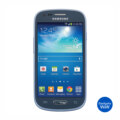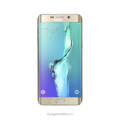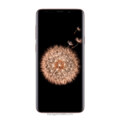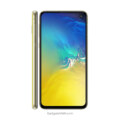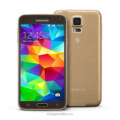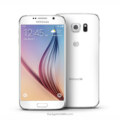

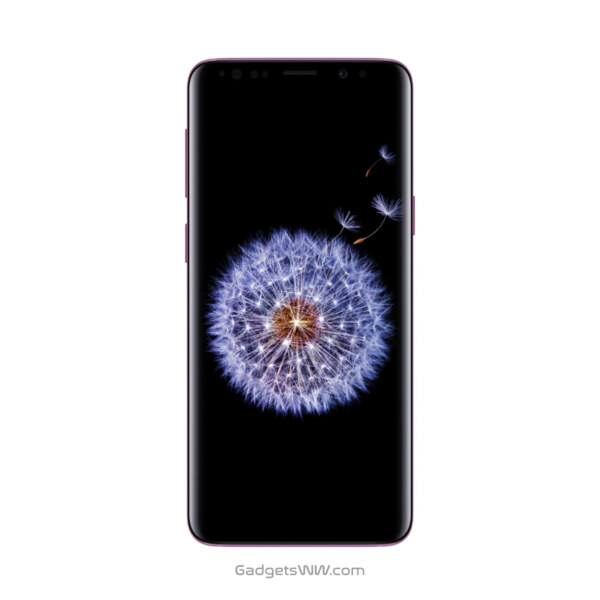
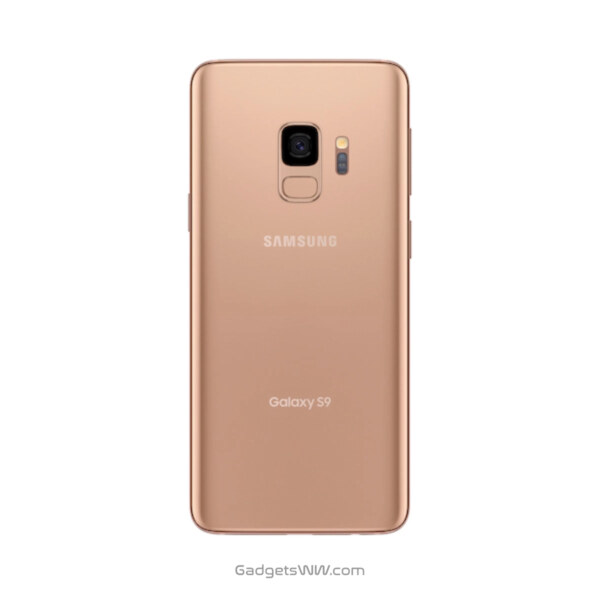
Samsung Galaxy S9
-
Display: 5.8" (1440x2960 pixels)
-
Processor: Exynos 9810 (10 nm) - EMEA | Qualcomm SDM845 Snapdragon 845 (10 nm)
-
Rear Camera: 12MP
-
RAM: 4GB
-
Storage: 64GB/128GB/256GB
-
OS: Android 8.0, up to Android 10, One UI 2.5
-
Battery: 3000mAh
Samsung Galaxy S9 Review (2018): Refinement Meets Power
Introduction: Evolution Over Revolution
In early 2018, Samsung introduced the Galaxy S9, a smartphone that didn’t aim to reinvent the wheel but to polish every detail of its predecessor.
Following the stunning Galaxy S8 and its groundbreaking Infinity Display, the Galaxy S9 built on that success with improved hardware, smarter software, and a camera that could literally adjust its aperture like a human eye.
The Samsung Galaxy S9 represented refinement at its best, a perfect example of how thoughtful upgrades can make an already great phone even better.
Design and Build: Familiar Yet Flawless
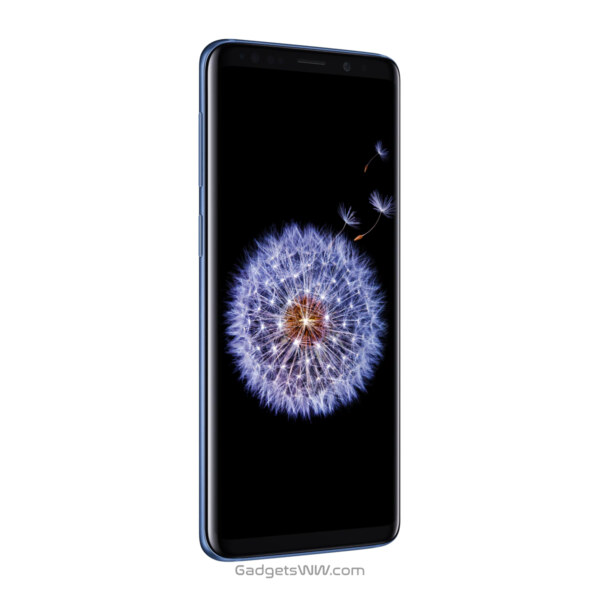
At first glance, the Galaxy S9 looks a lot like the Galaxy S8, and that’s not a bad thing. Samsung kept the same luxurious glass-and-metal construction, curved edges, and bezel-less Infinity Display.
- Dimensions:7 × 68.7 × 8.5 mm
- Weight: 163 g
- Build: Gorilla Glass 5 (front and back) with aluminum frame
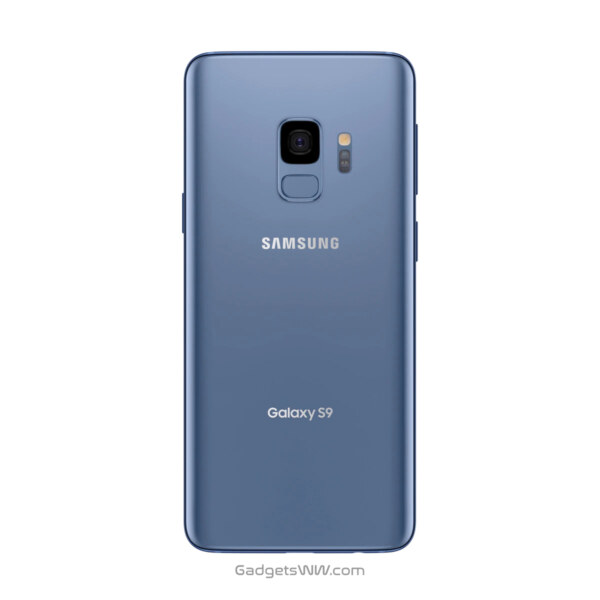
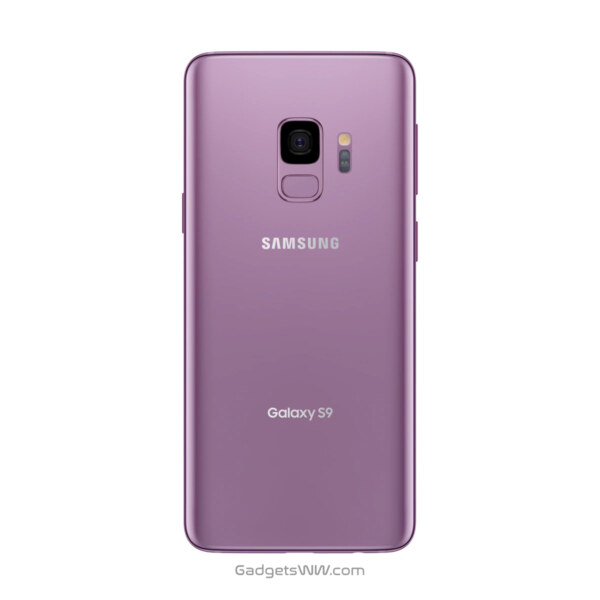
- Colors: Midnight Black, Coral Blue, Lilac Purple, Titanium Grey
The biggest physical improvement is the repositioned fingerprint sensor, now located beneath the rear camera for easier reach.
The phone feels premium, solid, and symmetrical. Despite being a refinement of the S8’s design, the Galaxy S9 still looks futuristic and elegant.
It was built to feel like a piece of art, one that you can hold in your hand.
Display: The Same Brilliance Perfected
Samsung’s Infinity Display returned, better tuned and brighter than ever.
- Size:8 inches
- Type: Super AMOLED
- Resolution: 2960 × 1440 (Quad HD+)
- Aspect Ratio:5:9
- HDR Support: Mobile HDR10
- Protection: Corning Gorilla Glass 5
The Galaxy S9 display remains one of the best screens ever made. Colors are vivid, blacks are deep, and visibility under sunlight is excellent.
The panel now reaches even higher brightness levels for outdoor use and delivers improved color accuracy thanks to Samsung’s fine-tuned calibration.
Whether you’re streaming HDR videos, gaming, or simply browsing, the Galaxy S9 screen is immersive perfection.
Specifications: Flagship Power
| Feature | Specification |
| Display | 5.8-inch Quad HD+ Super AMOLED |
| Processor | Exynos 9810 Octa (Global) / Snapdragon 845 (US) |
| RAM | 4 GB |
| Storage | 64 GB / 128 GB / 256 GB (expandable via microSD) |
| Rear Camera | 12 MP, Dual Aperture (f/1.5–f/2.4), OIS |
| Front Camera | 8 MP, f/1.7, autofocus |
| Battery | 3000 mAh |
| OS | Android 8.0 Oreo (upgradable) |
| Water Resistance | IP68 certified |
| Connectivity | USB Type-C, Bluetooth 5.0, NFC, MST |
The Exynos 9810 brought notable speed improvements, with faster app loading and better multitasking. Samsung’s focus in 2018 was balance: powerful performance without sacrificing battery life or stability.
Performance: Smooth, Fast, and Reliable
The Galaxy S9 offered serious power under the hood. Built on a 10nm process, the Exynos 9810 chip delivered a 40% increase in CPU performance and a 20% boost in graphics compared to the S8.
Multitasking was fluid, games ran smoothly, and the interface felt faster than ever. Samsung’s optimization meant apps opened instantly, and heavy users could rely on consistent performance all day long. The Game Launcher also received improvements, allowing for better performance management, screen recording, and a distraction-free experience during gameplay.
In 2018, the Galaxy S9 was one of the fastest and most dependable Android phones available.
Camera: The Star of the Show
Samsung made the camera the centerpiece of the Galaxy S9, introducing the world’s first smartphone with a variable aperture.
- Rear Camera: 12 MP, Dual Aperture (f/1.5 and f/2.4), OIS, Dual Pixel AF
- Front Camera: 8 MP, f/1.7, autofocus
- Video: 4K @ 60fps, Super Slow Motion 960fps (720p)
Dual Aperture Innovation
The Galaxy S9’s main camera can physically switch between f/1.5 for low-light conditions and f/2.4 for brighter environments. This allows it to adapt to lighting just like a human eye, ensuring sharp and balanced photos anywhere.
Super Slow-Motion Magic
Another major highlight is the Super Slow-Motion mode, capturing videos at 960 frames per second. It lets users create dramatic slow-motion clips that look professional.
Improved Image Processing
Samsung’s multi-frame noise reduction technology reduces grain and enhances detail, while the Dual Pixel autofocus keeps subjects sharp even in motion. The result: stunning, natural, and dynamic photos, whether it’s day or night.
AR Emoji: A Personal Touch
Samsung added a fun twist with AR Emoji, allowing users to create animated avatars based on their own face. Though not as advanced as Apple’s Animoji, it offered creative expression and integration with messaging apps. It was one of those playful touches that made the Galaxy S9 stand out.
Audio and Multimedia: Stereo Power
For the first time in the S series, Samsung added stereo speakers tuned by AKG. One speaker sits at the bottom, while the earpiece acts as the second channel. The result is a richer, louder, and clearer sound, 40% louder than the Galaxy S8.
- Dolby Atmos support adds 3D-like surround effects for movies and games.
- Included AKG earphones provide excellent audio quality right out of the box.
The combination of the Infinity Display and stereo speakers made the Galaxy S9 an entertainment powerhouse.
Software: Smarter, Cleaner, Better
The Galaxy S9 launched with Android 8.0 Oreo and Samsung’s Experience 9.0 UI.
Notable Features
- Bixby Vision 2.0: Real-time object and text recognition.
- Intelligent Scan: Combines iris and facial recognition for faster unlocking.
- Edge Panels: Quick access to apps, contacts, and tasks.
- Always-On Display: Customizable clock and notifications.
- Samsung Pay: Secure mobile payments anywhere.
Samsung refined its software experience, making it cleaner and more stable than ever before. It felt modern, responsive, and less cluttered than older TouchWiz versions.
Battery Life and Charging
With a 3000 mAh battery, the Galaxy S9 offered solid endurance for a full day of regular use.
Charging options included:
- Fast Charging (Quick Charge 2.0)
- Fast Wireless Charging
Even with heavy usage, most users could comfortably get through a day thanks to the efficient Exynos 9810 and AMOLED display optimization.
Samsung also continued its focus on battery safety and longevity, ensuring reliability over time.
Connectivity and Extras
Samsung left no feature behind in the Galaxy S9.
- USB Type-C
- 5 mm headphone jack (a rarity by 2018)
- Bluetooth 5.0
- NFC + MST for Samsung Pay
- IP68 water and dust resistance
- microSD expansion up to 400 GB
The headphone jack’s inclusion was especially appreciated by audio enthusiasts.
Galaxy S9 vs Galaxy S8
| Feature | Galaxy S8 | Galaxy S9 |
| Processor | Exynos 8895 | Exynos 9810 |
| RAM | 4 GB | 4 GB |
| Storage | 64 GB | 64/128/256 GB |
| Camera | f/1.7 fixed | f/1.5–f/2.4 variable |
| Speakers | Mono | Stereo (AKG, Dolby Atmos) |
| Fingerprint Sensor | Beside camera | Below camera |
| OS at Launch | Android 7.0 | Android 8.0 |
The S9 was not a revolution but a thoughtful evolution, faster, smarter, and more refined in every way.
Pros and Cons
Pros:
- Superb build and premium design
- Brilliant display with HDR support
- Excellent camera with dual aperture
- Fast, efficient performance
- Stereo speakers with Dolby Atmos
- microSD expansion and headphone jack
- IP68 water resistance
Cons:
- Similar design to the S8
- Average battery life
- AR Emoji feature felt gimmicky
Conclusion: A Masterclass in Refinement
The Samsung Galaxy S9 proved that perfection doesn’t always require drastic change. Sometimes, it just needs refinement. From its intelligent dual-aperture camera to its immersive display and stereo speakers, every element of the S9 was crafted for precision and polish.
It might not have been a radical leap from the S8, but it perfected the foundation that made Samsung the leader in smartphone innovation. For those seeking a powerful, stylish, and feature-packed Android flagship in 2018, the Galaxy S9 was a near-perfect choice. Even today, it stands as one of the most balanced Galaxy phones Samsung has ever made, an icon of its era.
Specs
LAUNCH
| Announced | 2018, February 25. Released 2018, March 09 |
| Availability | Discontinued |
NETWORK
| 2G Bands | GSM 850 / 900 / 1800 / 1900 - SIM 1 & SIM 2 (dual-SIM model only) | CDMA 800 / 1900 - USA |
| 3G Bands | HSDPA 850 / 900 / 1700(AWS) / 1900 / 2100 - Global, USA | CDMA2000 1xEV-DO - USA |
| 4G Bands | 1, 2, 3, 4, 5, 7, 8, 12, 13, 17, 18, 19, 20, 25, 26, 28, 32, 38, 39, 40, 41, 66 - Global | 1, 2, 3, 4, 5, 7, 8, 12, 13, 14, 17, 18, 19, 20, 25, 26, 28, 29, 30, 38, 39, 40, 41, 46, 66, 71 - USA |
| Speed | HSPA 42.2/5.76 Mbps, LTE (6CA) Cat18 1200/200 Mbps |
DESIGN
| Measurements | 147.7 x 68.7 x 8.5 mm (5.81 x 2.70 x 0.33 in) |
| Weight | 163 g (5.75 oz) |
| Build | Glass front (Gorilla Glass 5), glass back (Gorilla Glass 5), aluminum frame |
| SIM | Nano-SIM | Nano-SIM + Nano-SIM |
| Extra | IP68 dust tight and water resistant (immersible up to 1.5m for 30 min) |
DISPLAY
| Type | Super AMOLED, HDR10 |
| Size | 5.8 inches, 84.8 cm2 (~83.6% screen-to-body ratio) |
| Resolution | 1440 x 2960 pixels, 18.5:9 ratio (~570 ppi density) |
| Protection | Corning Gorilla Glass 5 | 3D Touch (home button only) |
PLATFORM
| OS | Android 8.0 (Oreo), upgradable to Android 10, One UI 2.5 |
| Chipset | Exynos 9810 (10 nm) - EMEA | Qualcomm SDM845 Snapdragon 845 (10 nm) - USA/LATAM, China |
| CPU | Octa-core (4x2.7 GHz Mongoose M3 & 4x1.8 GHz Cortex-A55) - EMEA | Octa-core (4x2.8 GHz Kryo 385 Gold & 4x1.7 GHz Kryo 385 Silver) - USA/LATAM, China |
| GPU | Mali-G72 MP18 - EMEA | Adreno 630 - USA/LATAM, China |
MEMORY
| Card Slot | microSDXC (uses shared SIM slot) - dual SIM model only |
| Internal | 64GB 4GB RAM, 128GB 4GB RAM, 256GB 4GB RAM | UFS 2.1 |
REAR CAMERA
| Single | 12 MP, f/1.5-2.4, 26mm (wide), 1/2.55", 1.4µm, dual pixel PDAF, OIS |
| Features | LED flash, auto-HDR, panorama |
| Video | 4K@30/60fps, 1080p@30/60/240fps, 720p@960fps, HDR, stereo sound rec., gyro-EIS & OIS (30fps) |
SELFIE CAMERA
| Single | 8 MP, f/1.7, 25mm (wide), 1/3.6", 1.22µm, AF | 2 MP (dedicated iris scanner camera) |
| Features | HDR |
| Video | 1440p@30fps |
SOUND
| Loudspeaker | Yes, with stereo speakers |
| 3.5mm Jack | Yes | 32-bit/384kHz audio | Tuned by AKG |
COMMUNICATION
| WLAN | Wi-Fi 802.11 a/b/g/n/ac, dual-band, Wi-Fi Direct |
| Bluetooth | 5.0, A2DP, LE, aptX |
| Positioning | GPS, GLONASS, BDS, GALILEO |
| NFC | Yes |
| Radio | FM radio (USA & Canada only) |
| USB | USB Type-C 3.1 |
FEATURES
| Sensors | Iris scanner, fingerprint (rear-mounted), accelerometer, gyro, proximity, compass, barometer, heart rate, SpO2 |
| . | ANT+ | Bixby natural language commands and dictation | Samsung Pay (Visa, MasterCard certified) |
BATTERY
| Kind | Li-Ion 3000 mAh, non-removable (11.55 Wh) |
| Charging | 15W wired, QC2 | Wireless (Qi) (market dependent) |
OTHERS
| Colors | Midnight Black, Coral Blue, Titanium Gray, Lilac Purple, Burgundy Red, Sunrise Gold, Ice Blue |
| Models | SM-G960F, SM-G960, SM-G960F, SM-G960U, SM-G960W, SM-G9600, SM-G960U1, SM-G960N, SCV38, SM-G960X, SC-02K |
| SAR | 0.63 W/kg (head) 0.96 W/kg (body) |
| SAR EU | 0.36 W/kg (head) 1.18 W/kg (body) |
PRICE
| UK | £148.67 |
| USA | $260 |
EU LABEL
Reviews
Disclaimer Note
The reviews, opinions, and information shared on this blog are based on personal experiences, research, and available product details at the time of writing. While we strive to provide accurate and up-to-date information, we cannot guarantee that all specifications, prices, or features remain current.