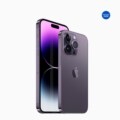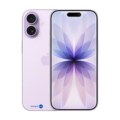

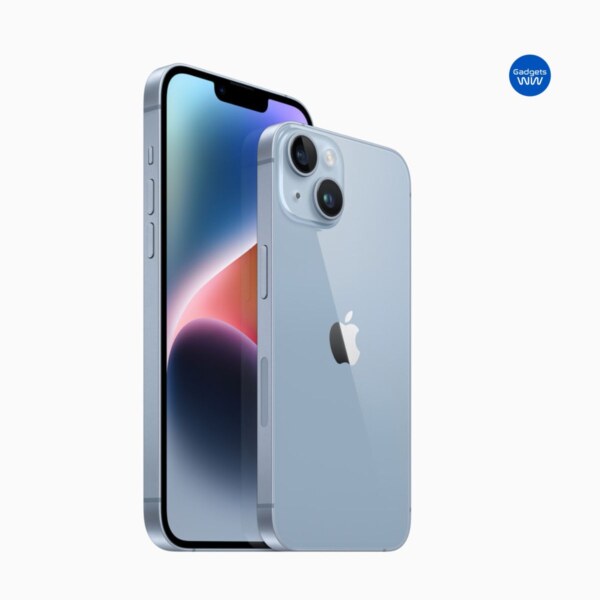
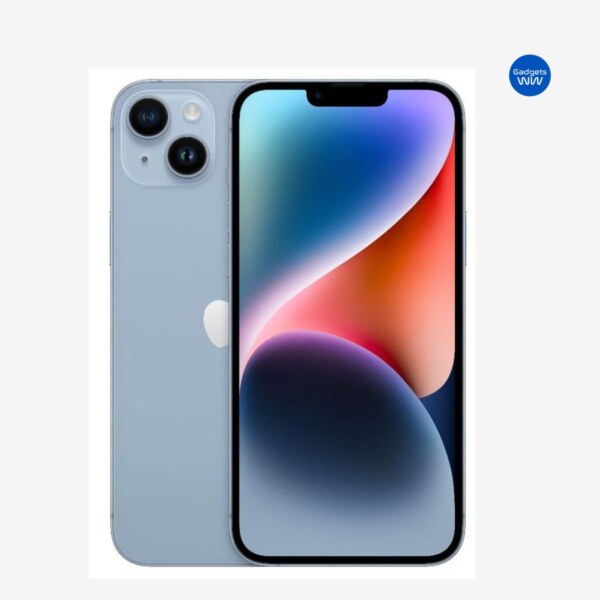
Apple iPhone 14

-
Display: 6.1" (1170x2532 pixels)
-
Processor: Apple A15 Bionic
-
Rear Camera: 12MP
-
RAM: 6GB
-
Storage: 128GB/256GB/512GB
-
OS: iOS 16, up to iOS 26.1
-
Battery: 3279mAh
PROS
- Elegant, premium build quality and lightweight design
- Excellent OLED display with accurate colors
- Strong performance with the A15 Bionic chip
- Great dual-camera system with improved low-light capability
- Superb video quality with Cinematic and Action Modes
- Reliable, all-day battery life
- Long-term iOS updates and security support
- Safety features like Crash Detection and Emergency SOS
- Strong resale value
- Smooth integration with Apple’s ecosystem
CONS
- No major design change from the iPhone 13
- Still uses the Lightning port instead of USB-C
- 60 Hz refresh rate instead of 120 Hz
- Slower charging compared to some Android flagships
- High launch price in international markets
- Minor year-to-year performance jump
Apple iPhone 14: A Detailed Review from Its Release Year
When Apple unveiled the iPhone 14 in 2022, it was clear that the company was refining perfection rather than reinventing it. The device took everything users loved about the iPhone 13 and improved it in subtle yet meaningful ways, from camera performance to battery life and safety features. This post takes you through a full, human-written and detailed look at the iPhone 14 as though we’re right in its release year.
Release and Price
Apple officially announced the iPhone 14 on September 7, 2022, alongside the iPhone 14 Plus, iPhone 14 Pro, and iPhone 14 Pro Max. It became available for preorder soon after and was officially released on September 16, 2022.
Here were the official launch prices for the base model (128 GB storage):
- $799 USD in the United States
- £849 GBP in the United Kingdom
- ₹79,900 INR in India
- ₦1,100,000 NGN (approximate market price in Nigeria)
Prices increased for higher storage variants (256 GB and 512 GB). The 14 Plus model launched slightly higher, while the Pro versions commanded premium pricing.
Design and Build Quality
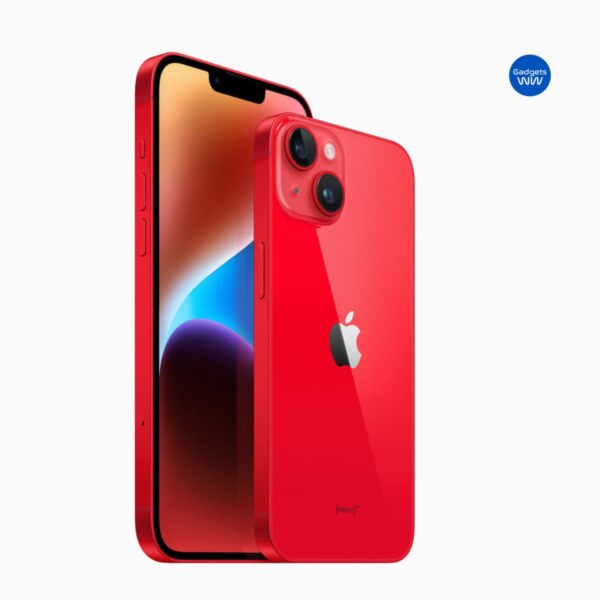
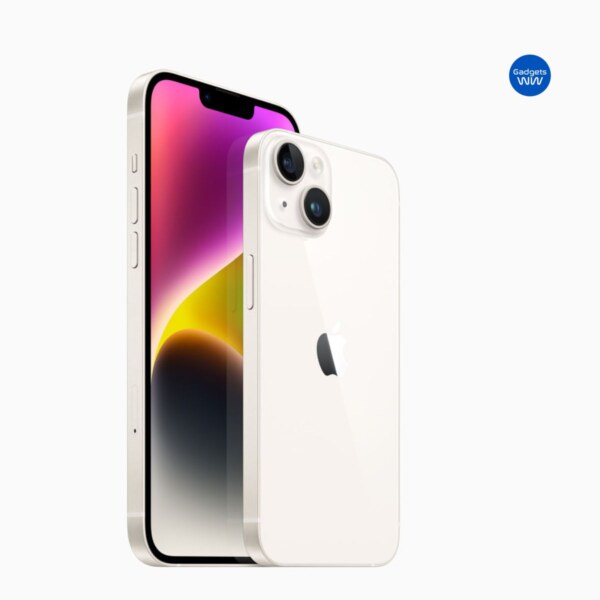
The iPhone 14 keeps the familiar flat-edged aluminium frame and glossy glass back that became iconic with the iPhone 12 series. It features a 6.1-inch Super Retina XDR OLED display that delivers rich colors, deep blacks, and an overall crisp viewing experience.
The device measures 146.7 × 71.5 × 7.8 mm and weighs about 172 grams, making it lightweight yet durable. It retains an IP68 rating for dust and water resistance and includes Ceramic Shield glass for added front protection.
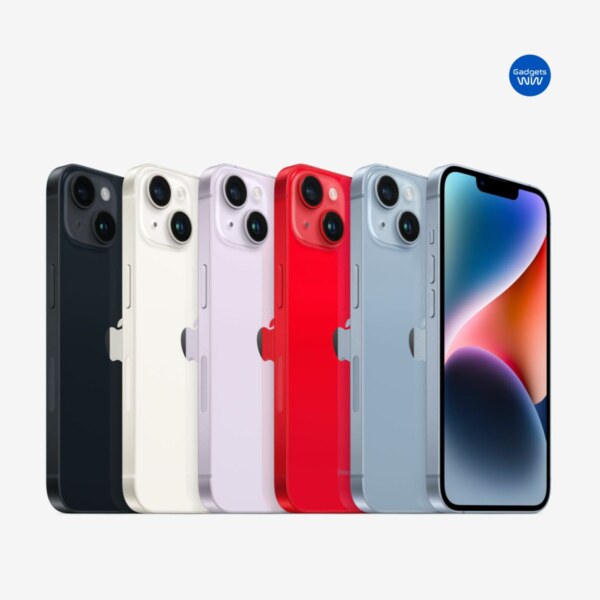
While the design doesn’t drastically differ from the iPhone 13, the fit and finish feel even more refined. The phone is available in multiple colors, including Midnight, Starlight, Blue, Purple, and (PRODUCT) RED.
Display Quality
The iPhone 14’s 6.1-inch OLED screen supports HDR, True Tone, and a peak brightness of 1200 nits, making it easy to view even in bright outdoor light. The color calibration is among the best in the smartphone industry, offering vibrant yet natural tones for photos, videos, and everyday use.
Although Apple reserved the ProMotion 120 Hz refresh rate for the Pro models, the standard 60 Hz display here still feels fluid due to iOS’s smooth animations.
Performance and Hardware
Inside, the iPhone 14 is powered by the A15 Bionic chip with a 5-core GPU, the same powerful processor previously used in the iPhone 13 Pro models. This ensures fast, efficient, and reliable performance whether you’re gaming, streaming, editing photos, or multitasking.
The A15 Bionic delivers top-tier benchmark results, running demanding apps and games with ease while maintaining excellent energy efficiency. It’s paired with 6 GB of RAM, which helps with smoother multitasking and future software updates.
Storage options include 128 GB, 256 GB, and 512 GB, ensuring users can choose a configuration that fits their needs.
The iPhone 14 supports 5G connectivity, Wi-Fi 6, Bluetooth 5.3, and MagSafe wireless charging. Although it retains the Lightning port instead of switching to USB-C, Apple optimized charging and accessory compatibility to work seamlessly with its ecosystem.
Camera Performance
One of the main highlights of the iPhone 14 is its improved dual-camera system. It features:
- 12 MP wide (main) camera with 1.9 µm pixels and a faster ƒ/1.5 aperture for better low-light performance.
- 12 MP ultra-wide camera for capturing more scene in a single shot.
- 12 MP front TrueDepth camera with autofocus, a first for standard iPhones, producing sharper selfies and clearer video calls.
Apple introduced a new Photonic Engine, enhancing detail and color accuracy in low-light conditions. The improvement is noticeable: photos look brighter, with more depth and better color consistency, even at night.
For video, Apple added the Action Mode that stabilizes footage during fast motion, making handheld recording smoother. The Cinematic Mode now supports 4K HDR at 30 fps, allowing users to shoot professional-looking clips with dynamic focus shifts.
Overall, the iPhone 14’s camera system feels reliable, consistent, and capable of producing true-to-life photos and videos without the need for heavy editing.
Battery Life and Charging
Apple claimed up to 20 hours of video playback on a full charge, and real-world testing supported that. The iPhone 14 easily lasts an entire day under regular usage, browsing, messaging, photography, and streaming.
The device supports:
- Fast charging up to 20 W (50 % in about 30 minutes with a compatible adapter)
- MagSafe wireless charging up to 15 W
- Qi wireless charging up to 7.5 W
While not the fastest charging speeds in the industry, Apple’s efficiency optimization ensures minimal heat and longer battery health.
Software Experience
The iPhone 14 launched with iOS 16, introducing features like customizable lock screens, editable iMessages, and improved privacy tools.
One of Apple’s major advantages continues to be long-term software support. iPhone 14 users can expect 5–6 years of updates, meaning it will remain secure and up-to-date well beyond 2027.
The integration of iOS with Apple’s ecosystem, including iCloud, Apple Watch, AirPods, MacBook, and iPad, creates a seamless experience that few competitors can match. Everything just works together.
Safety and Connectivity Features
The iPhone 14 introduced two major safety technologies:
- Crash Detection – The phone can detect severe car crashes and automatically notify emergency services and contacts.
- Emergency SOS via Satellite – Allows users in remote areas without cellular service to send emergency messages using satellite connectivity (available in select regions).
These additions made the iPhone 14 not just a communication tool, but a potential lifesaver.
Pros and Cons
✅ Pros
- Elegant, premium build quality and lightweight design
- Excellent OLED display with accurate colors
- Strong performance with the A15 Bionic chip
- Great dual-camera system with improved low-light capability
- Superb video quality with Cinematic and Action Modes
- Reliable, all-day battery life
- Long-term iOS updates and security support
- Safety features like Crash Detection and Emergency SOS
- Strong resale value
- Smooth integration with Apple’s ecosystem
❌ Cons
- No major design change from the iPhone 13
- Still uses the Lightning port instead of USB-C
- 60 Hz refresh rate instead of 120 Hz
- Slower charging compared to some Android flagships
- High launch price in international markets
- Minor year-to-year performance jump
Conclusion
The Apple iPhone 14 may not have been a radical redesign, but it represents a carefully refined and reliable flagship. It combines strong performance, excellent photography, robust safety features, and dependable battery life in a sleek, familiar design.
If you’re coming from an older model like the iPhone 11 or XR, the iPhone 14 feels like a massive leap forward in speed, display quality, and camera performance. But if you own an iPhone 13, the differences may feel incremental.
Overall, the iPhone 14 strikes a perfect balance between power, reliability, and simplicity, a phone built for those who want flagship performance without stepping up to the ultra-premium Pro pricing.
Specs
LAUNCH
| Announced | 2022, September 07 |
| Availability | Available. Released 2022, September 16 |
NETWORK
| 2G Bands | GSM 850 / 900 / 1800 / 1900 CDMA 800 / 1900 |
| 3G Bands | HSDPA 850 / 900 / 1700(AWS) / 1900 / 2100 CDMA2000 1xEV-DO |
| 4G Bands | 1, 2, 3, 4, 5, 7, 8, 12, 13, 17, 18, 19, 20, 25, 26, 28, 30, 32, 34, 38, 39, 40, 41, 42, 46, 48, 66 - A2882, A2884 1, 2, 3, 4, 5, 7, 8, 11, 12, 13, 14, 17, 18, 19, 20, 21, 25, 26, 28, 29, 30, 32, 34, 38, 39, 40, 41, 42, 46, 48, 53, 66, 71 - A2649, A2881 1, 2, 3, 4, 5, 7, 8, 12, 13, 17, 18, 19, 20, 25, 26, 28, 30, 32, 34, 38, 39, 40, 41, 42, 46, 48, 66 - A2883 |
| 5G Bands | 1, 2, 3, 5, 7, 8, 12, 20, 25, 26, 28, 30, 38, 40, 41, 48, 66, 70, 77, 78, 79 SA/NSA/Sub6 - A2882, A2884 1, 2, 3, 5, 7, 8, 12, 14, 20, 25, 26, 28, 29, 30, 38, 40, 41, 48, 53, 66, 70, 71, 77, 78, 79, 258, 260, 261 SA/NSA/Sub6/mmWave - A2649 1, 2, 3, 5, 7, 8, 12, 14, 20, 25, 26, 28, 29, 30, 38, 40, 41, 48, 53, 66, 70, 71, 77, 78, 79 SA/NSA/Sub6 - A2881 1, 2, 3, 5, 7, 8, 12, 20, 25, 26, 28, 30, 38, 40, 41, 48, 66, 70, 77, 78, 79 SA/NSA/Sub6 - A2883 |
| Speed | HSPA, LTE, 5G, EV-DO Rev.A 3.1 Mbps |
| Technology | GSM / CDMA / HSPA / EVDO / LTE / 5G |
DESIGN
| Measurements | 146.7 x 71.5 x 7.8 mm (5.78 x 2.81 x 0.31 in) |
| Weight | 172 g (6.07 oz) |
| Build | Glass front, glass back, aluminum frame |
| SIM | · Nano-SIM + eSIM + eSIM (max 2 at a time; International) · eSIM + eSIM (8 or more, max 2 at a time; USA) · Nano-SIM + Nano-SIM (China) IP68 dust tight and water resistant (immersible up to 6m for 30 min) Apple Pay (Visa, MasterCard, AMEX certified) |
DISPLAY
| Type | Super Retina XDR OLED, HDR10, Dolby Vision, 800 nits (HBM), 1200 nits (peak) |
| Size | 6.1 inches, 90.2 cm2 (~86.0% screen-to-body ratio) |
| Resolution | 1170 x 2532 pixels, 19.5:9 ratio (~460 ppi density) |
| Protection | Ceramic Shield glass |
PLATFORM
| OS | iOS 16, upgradable to iOS 26.1 |
| Chipset | Apple A15 Bionic (5 nm) |
| CPU | Hexa-core (2x3.23 GHz Avalanche + 4x1.82 GHz Blizzard) |
| GPU | Apple GPU (5-core graphics) |
MEMORY
| Card Slot | No |
| Internal | 128GB 6GB RAM, 256GB 6GB RAM, 512GB 6GB RAM NVMe |
REAR CAMERA
| Dual | 12 MP, f/1.5, 26mm (wide), 1/1.7", 1.9µm, dual pixel PDAF, sensor-shift OIS 12 MP, f/2.4, 13mm, 120˚ (ultrawide) |
| Features | Dual-LED dual-tone flash, HDR (photo/panorama) |
| Video | 4K@24/25/30/60fps, 1080p@25/30/60/120/240fps, HDR, Dolby Vision HDR (up to 60fps), stereo sound rec. |
SELFIE CAMERA
| Single | 12 MP, f/1.9, 23mm (wide), 1/3.6", 1.0µm, PDAF SL 3D, (depth/biometrics sensor) |
| Features | HDR |
| Video | 4K@24/25/30/60fps, 1080p@25/30/60/120fps, gyro-EIS |
SOUND
| Loudspeaker | Yes, with stereo speakers |
| 3.5mm Jack | No |
COMMUNICATION
| WLAN | Wi-Fi 802.11 a/b/g/n/ac/6, dual-band, hotspot |
| Bluetooth | 5.3, A2DP, LE |
| Positioning | GPS, GLONASS, GALILEO, BDS, QZSS |
| NFC | Yes |
| Radio | No |
| USB | Lightning, USB 2.0 |
FEATURES
| Sensors | Face ID, accelerometer, gyro, proximity, compass, barometer Ultra Wideband (UWB) support Emergency SOS via satellite (SMS sending/receiving) |
BATTERY
| Kind | Li-Ion 3279 mAh (12.68 Wh) |
| Charging | Wired, PD2.0, 50% in 30 min 15W wireless (MagSafe) 15W wireless (Qi2) - requires iOS 17.2 update |
OTHERS
| Colors | Midnight, Purple, Starlight, Blue, Red, Yellow |
| Models | A2882, A2649, A2881, A2884, A2883, iphone14,7 |
| SAR | 1.15 W/kg (head) 1.16 W/kg (body) |
| SAR EU | 0.98 W/kg (head) 0.98 W/kg (body) |
PRICE
| Nigeria | ₦1,100,000 |
| UK | £849 |
| USA | $799 |
| India | ₹79,900 |
EU LABEL
Reviews
Disclaimer Note
The reviews, opinions, and information shared on this blog are based on personal experiences, research, and available product details at the time of writing. While we strive to provide accurate and up-to-date information, we cannot guarantee that all specifications, prices, or features remain current.