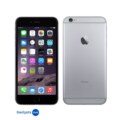

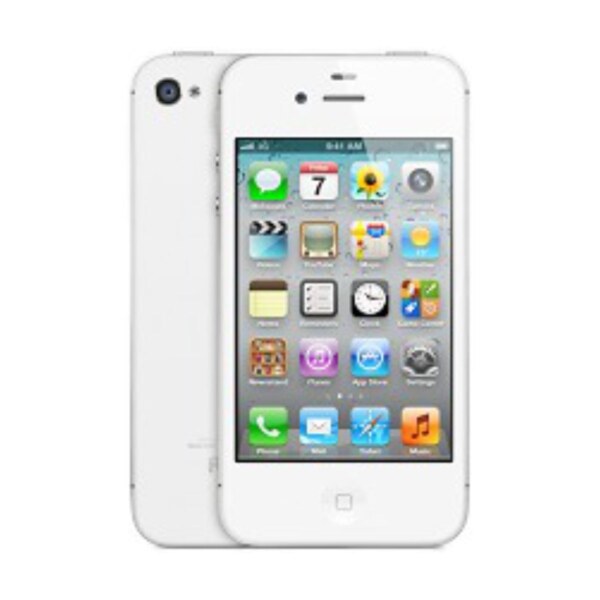
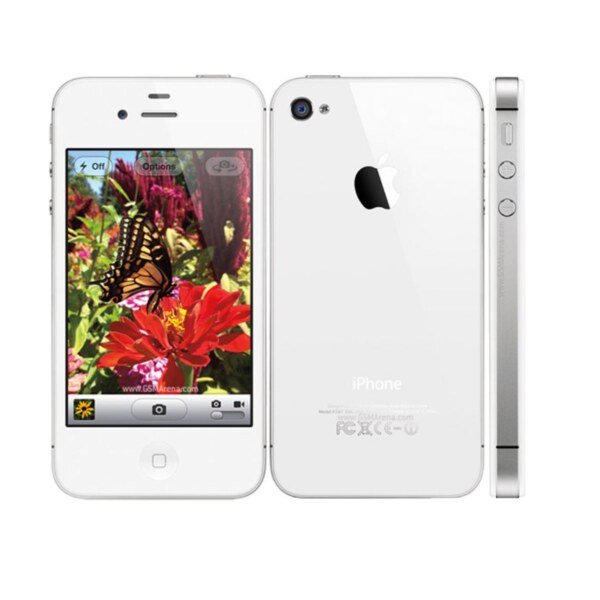
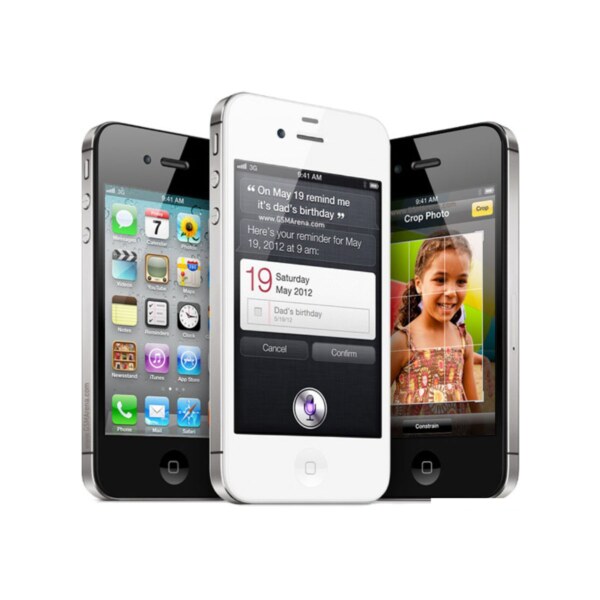
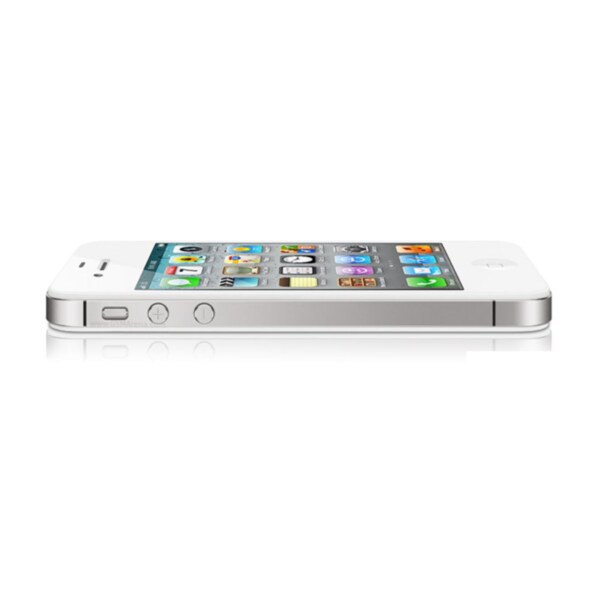
Apple iPhone 4s
-
Display: 3.5" (640x960 pixels)
-
Processor: Apple A5
-
Rear Camera: 8 MP
-
RAM: 512MB
-
Storage: 8GB / 16GB / 64GB storage, no card slot
-
OS: iOS 5, up to iOS 9.3.6
-
Battery: 1432mAh
iPhone 4S: It Looks the Same… But Feels Like a Whole New iPhone
October 2011
Let’s talk about the iPhone 4S, the phone that, at first glance, might seem like a small update, but actually represents a major leap forward in how we experience smartphones.
When Apple unveiled the iPhone 4S, a lot of people had one initial reaction: “Wait… that’s it?” From the outside, it looks exactly like the iPhone 4, the same sleek glass-and-steel design, same 3.5-inch Retina display, same dimensions, same weight. But use it for five minutes, and it’s immediately obvious: this is not just a cosmetic refresh. The 4S is a completely different beast under the hood.
And that difference? You feel it. Right away.
It’s Way Faster, And That Matters More Than You Think
Let’s start with performance.
The iPhone 4S is powered by Apple’s A5 chip, the same dual-core processor found in the iPad 2, and it makes a huge difference. Apps launch in a snap. Multitasking is smoother than ever. Browsing the web feels more like using a desktop than a phone. Games run with console-quality graphics and zero lag. Everything just feels more fluid, more responsive.
Compared to the iPhone 4, it’s not a subtle improvement. It’s obvious. This is speed you can feel every time you touch the screen.
Whether you’re flipping between emails, playing high-end games, or just swiping through your home screen, the A5 chip ensures the experience is faster, smoother, and more enjoyable, all while being surprisingly power-efficient.
The Camera: No Longer Just for Casual Shots
For a lot of people, the iPhone has become their primary camera. Apple clearly knows that, and with the 4S, they took mobile photography seriously.
This isn’t just about more megapixels (though yes, it now has 8MP, up from 5MP in the iPhone 4). The entire camera system has been re-engineered. It features a new custom lens, a larger f/2.4 aperture, and a backside-illuminated sensor, allowing for better low-light performance and sharper, more vibrant photos.
The image processing is also faster, so you can snap pictures quicker, and Apple even improved the camera launch time, so you won’t miss that perfect shot.
Video gets a boost too: full 1080p HD recording, with real-time video stabilization and noise reduction, means your phone now doubles as a legit video camera.
In short: this is the first iPhone where the camera feels like it could replace your point-and-shoot. And for most people, it probably will.
Siri: The Beginning of the Virtual Assistant Era
Siri is more than just a new feature, it’s a new way of interacting with your phone.
Unlike previous voice-control systems, Siri isn’t just about commands. It’s about conversation. You speak naturally, and it responds naturally. Ask it about the weather, your schedule, directions, or even trivia, and Siri not only understands, but often responds with surprising nuance and clarity.
What makes Siri feel different is the context awareness. You can say things like:
- “Remind me to take out the trash when I get home.”
- “Text Anna that I’m running late.”
- “What’s the weather like in Paris this weekend?”
- “Do I have any meetings after lunch?”
Siri doesn’t just follow orders, it engages. And while it’s still in beta and far from perfect, it’s a clear glimpse into the future. For the first time, it feels like your phone is really listening.
It’s also deeply integrated into the system, setting alarms, sending texts, finding restaurants, playing music, all hands-free. It changes how you use your iPhone, especially when you’re on the go.
Better Call Quality: A Quiet but Important Upgrade
Let’s be honest: the iPhone 4 had a bit of a rocky start when it came to call quality, “Antennagate” is still fresh in many people’s minds.
With the 4S, Apple tackled that head-on. It introduces a dual-antenna system that dynamically switches between antennas during a call to maintain the best possible signal. The result? Fewer dropped calls and clearer audio, even in areas with spotty coverage.
And here’s another practical perk: the iPhone 4S is now a world phone. It supports both GSM and CDMA networks, which means it’ll work pretty much anywhere in the world, and you don’t need a separate model for international use. For frequent travelers, that’s a game-changer.
More Storage = More Freedom
For the first time ever, Apple is offering a 64GB model. That’s double the top-tier option of the previous iPhones, and it’s a big deal for anyone who loads their device with photos, HD videos, apps, games, and music.
No more playing the “what can I delete to make space?” game. With 64GB, your phone finally feels like it can hold your entire digital life, and then some.
iOS 5 + iCloud: A Whole New Experience
The iPhone 4S doesn’t just come with new hardware, it launches with iOS 5, Apple’s most feature-rich update yet.
Over 200 new features are packed in, but a few stand out as real game-changers:
- Notification Center, finally, a centralized place for all your alerts.
- iMessage, free, seamless messaging between all iOS devices.
- Reminders, with location-based alerts. (“Remind me to pick up milk when I leave work.”)
- Twitter Integration, tweet directly from Safari, Photos, and more.
- Camera Shortcut on Lock Screen, for capturing those moments in a flash.
And then there’s iCloud, which quietly transforms the iPhone experience. Photos, documents, contacts, calendars, music, they all sync automatically across your Apple devices. Take a photo on your iPhone, and it shows up on your iPad or MacBook. Buy a song on iTunes, and it’s instantly on your phone.
No wires. No syncing. No remembering. It just works.
A Bittersweet Moment
There’s no way to talk about the iPhone 4S without acknowledging the emotional weight behind its release.
Just days before the 4S went on sale, the world lost Steve Jobs, a visionary, a perfectionist, and a pioneer who didn’t just build products, but changed industries.
The iPhone 4S is likely the last iPhone he directly influenced, and in many ways, it reflects his philosophy more than any before it. It’s thoughtful, refined, elegant, and personal. It’s not about specs for the sake of specs. It’s about the experience. The feeling of using it.
And that, more than anything, makes the 4S feel like a tribute to the man who brought it into the world.
So… Should You Get One?
If you’re still on an iPhone 3GS or earlier, this is a massive upgrade. Night and day. It’ll feel like stepping into the future.
If you’re on the iPhone 4, it’s more nuanced. The design is the same, but performance is miles ahead. The camera is significantly better. And Siri is… well, it’s something you’ve never had before. If any of those things speak to you, you won’t regret upgrading.
But beyond the individual features, what makes the iPhone 4S so compelling is how it all comes together, hardware, software, services, into a single, seamless experience. It doesn’t just do more. It does it better, faster, and smarter.
This may not be the iPhone 5 people were waiting for, but the iPhone 4S is more than just an interim update.
It’s the iPhone redefined, and possibly the most complete smartphone Apple has ever made.
Specs
LAUNCH
| Announced | 2011, October 04. Released 2011, October 14 |
| Availability | Discontinued |
NETWORK
| 2G Bands | GSM 850 / 900 / 1800 / 1900 CDMA 800 / 1900 |
| 3G Bands | HSDPA 850 / 900 / 1900 / 2100 CDMA2000 1xEV-DO |
| Speed | HSPA 14.4/5.76 Mbps |
| Technology | GSM / CDMA / HSPA / EVDO |
DESIGN
| Measurements | 115.2 x 58.6 x 9.3 mm (4.54 x 2.31 x 0.37 in) |
| Weight | 140 g (4.94 oz) |
| Build | Glass front (Corning-made glass), glass back, stainless steel frame |
| SIM | Micro-SIM Scratch-resistant glass back pan |
DISPLAY
| Type | IPS LCD |
| Size | 3.5 inches, 36.5 cm2 (~54.0% screen-to-body ratio) |
| Resolution | 640 x 960 pixels, 3:2 ratio (~330 ppi density) |
| Protection | Corning Gorilla Glass, oleophobic coating |
PLATFORM
| OS | iOS 5, upgradable to iOS 9.3.6 |
| Chipset | Apple A5 (45 nm) |
| CPU | Dual-core 1.0 GHz Cortex-A9 |
| GPU | PowerVR SGX543MP2 |
MEMORY
| Card Slot | No |
| Internal | 8GB 512MB RAM, 16GB 512MB RAM, 32GB 512MB RAM, 64GB 512MB RAM |
REAR CAMERA
| Single | 8 MP, f/2.4, 35mm (standard), 1/3.2", 1.4µm, AF |
| Features | LED flash, panorama, HDR |
| Video | 1080p@30fps |
SELFIE CAMERA
| Single | VGA, videocalling over Wi-Fi and 3G |
| Video | 480p@30fps |
SOUND
| Loudspeaker | Yes |
| 3.5mm Jack | Yes |
COMMUNICATION
| WLAN | Wi-Fi 802.11 b/g/n, hotspot |
| Bluetooth | 4.0, A2DP, LE |
| Positioning | GPS, A-GPS, GLONASS |
| Radio | No |
| USB | 2.0 |
FEATURES
| Sensors | Accelerometer, gyro, proximity, compass |
BATTERY
| Kind | Li-Po 1432 mAh, non-removable (5.3 Wh) |
OTHERS
| Colors | Black, White |
| Models | A1431, A1387, iPhone4,1 |
| SAR | 1.18 W/kg (head) 0.98 W/kg (body) |
| SAR EU | 0.99 W/kg (head) 0.99 W/kg (body) |
PRICE
| UK | About £166.17 |
EU LABEL
Reviews
Disclaimer Note
The reviews, opinions, and information shared on this blog are based on personal experiences, research, and available product details at the time of writing. While we strive to provide accurate and up-to-date information, we cannot guarantee that all specifications, prices, or features remain current.