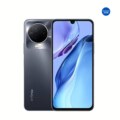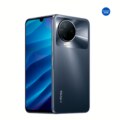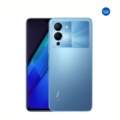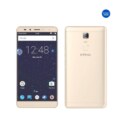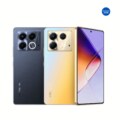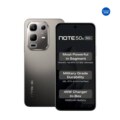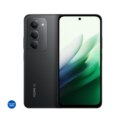

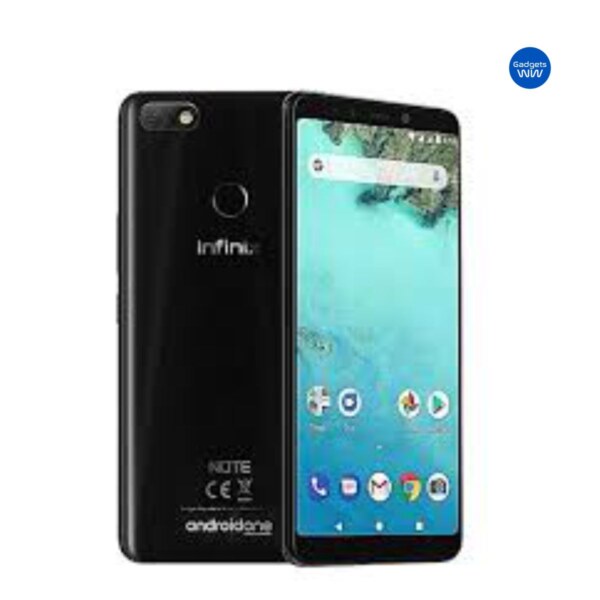
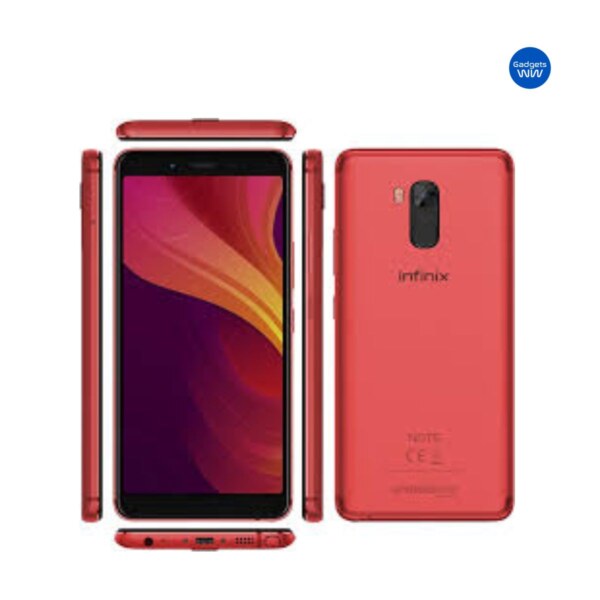
Infinix Note 5
-
Display: 6.0" (1080x2160 pixels)
-
Processor: Helio P23
-
Rear Camera: 12MP
-
RAM: 3/4GB
-
Storage: 32GB/64GB
-
OS: Android 8.1, Android One
-
Battery: 4500mAh
PROS
- Large, crisp Full HD+ 6.0-inch display with 18:9 ratio, good for media and general use.
- Clean Android One experience (Android 8.1 Oreo), fewer manufacturer skins, faster updates.
- Excellent battery size (4,500 mAh) for the price.
- Expandable storage up to 256 GB.
- Decent camera pair for casual use (12 MP rear + 16 MP front).
- Good value launch price in Nigeria (~₦64,000) given specs.
- Rear fingerprint sensor and modern design feel.
CONS
- The chipset (Helio P23) is mid-range, not ideal for heavy gaming or very demanding apps.
- The 3 GB RAM base variant may feel limited for heavy multitasking or future-proofing.
- Stylus variant has less battery capacity and higher price, so trade-off there.
- While cameras are decent, they do not match high-end flagships in low-light or professional photography.
- Big size means that one-hand use might be more difficult for some users.
- MicroUSB port (rather than USB-C) may still be present (common in 2018 mid-range), meaning slower transfer/charging options.
Unpacking the Infinix Note 5: The Mid-Range Marvel of 2018
When Infinix unveiled the Note 5 in June 2018, it marked a serious step up for its Note series. Building on the success (and criticism) of the Note 4 line, the Note 5 brought a larger display, cleaner software (thanks to Android One), and a design that felt more premium than the brand’s previous offerings.
In this blog post we’ll take a detailed look at everything the Note 5 brings to the table, design, display, performance, software, camera, battery, and we’ll compare it briefly with its sibling, the Note 5 Stylus, so you’ll know which one to pick (if you were buying back then). At the end I’ll drop in the key primary and secondary keywords for SEO.
Release & Pricing
The Note 5 was officially launched around 28 June 2018.
In Nigeria, pre-sale pricing was about ₦64,200 (~US $178) for the 3 GB / 32 GB variant. A later listing shows retail starting at ~₦50,000 for the base model and ~₦72,000 for the 4 GB / 64 GB variant.
Here are approximate release-prices converted (in 2018 terms) for reference (please note exchange rates fluctuate):
- Nigeria: ~ ₦64,200 (for 3 GB/32 GB)
- United States: ~ US$178
- United Kingdom: ~ £135 (approximate, converting $178 at ~1.32)
- India: ~ ₹12,500 (rough estimate from US$178 converted at ~₹70/USD)
Many local dealers in Nigeria listed the phone between ~₦65,000-₦70,000 shortly after launch.
So if you were shopping mid-2018, the Note 5 offered a solid mid-range price point with respectable specs.
Design & Display
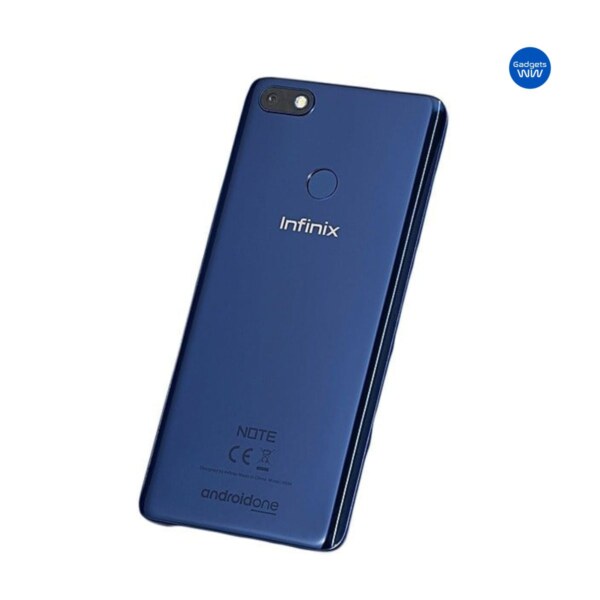
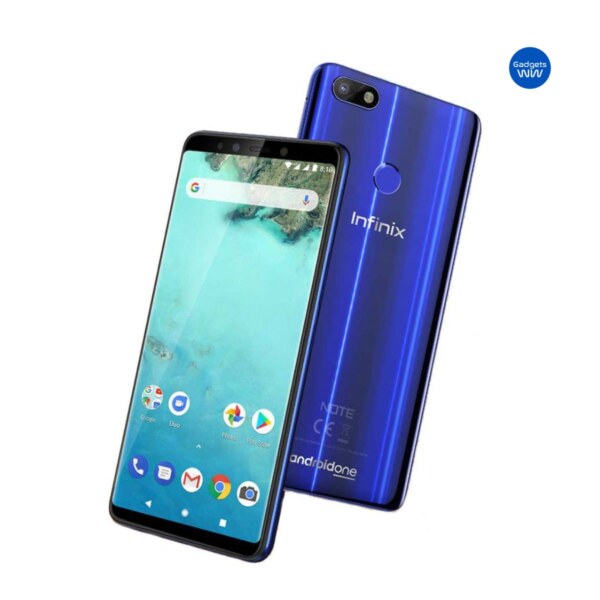
The Note 5 takes a 6.0-inch IPS (LTPS) display with 2160×1080 resolution (Full HD +) and an 18:9 aspect ratio. The glass-looking finish on the rear (Infinix calls it “glass finish” though in reality it may be polished plastic) gives it a more premium look.
What stands out:
- The 18:9 display size was still relatively modern in 2018 for a mid-ranger.
- The taller aspect ratio means more vertical screen real estate, great for browsing, social feeds, video.
- Rear-mounted fingerprint sensor moved away from front home button, which lends a cleaner front.
- Colors available include Milan Black, Berlin Gray and Ice Blue.
Potential quirks:
- With a 6.0-inch display in a 2018 chassis you’ll notice it’s fairly large, some may find one-handed use a challenge.
- Bezels are trimmed down but not ultra-thin; for the price point that’s acceptable.
In practice you get an immersive screen for media and casually playing games, while still retaining manageable size. The design feels everyday durable, and the finish gives it a slightly upscale feel compared to many budget phones.
Hardware & Software
Under the hood the Note 5 runs a MediaTek Helio P23 (MT6763) octa-core processor (2.0 GHz) paired with Mali-G71 MP2 GPU. Memory and storage options: 3 GB RAM + 32 GB storage as base; higher variant 4 GB RAM + 64 GB. Storage is expandable up to 256 GB via microSD.
On the software front: it ships with Android 8.1 Oreo under the Android One programme, meaning a clean stock Android experience, fewer bloatware apps, and a promise of timely updates.
What you get:
- Solid mid-range performance for everyday tasks, web browsing, social media, video streaming, light gaming.
- The clean Android One experience is a big plus: you’re less overwhelmed by skins and custom UI.
- Expandable storage means you’re not locked into the internal memory.
- The 4 GB/64 GB variant offers more future-proofing for multitasking and storage.
Trade-offs:
- The Helio P23 chipset isn’t a high-end performer; heavy gaming or 3D-intensive titles will push it.
- While Android One is clean, some consumers used to larger custom UIs may miss extra features from manufacturer skins.
- The base 3 GB RAM model is a little light if you multitask heavily.
For everyday users who care about reliability, clean software and good screen experience, the Note 5 hits a sweet spot.
Cameras & Battery
Cameras
Rear: 12 MP primary shooter. Front: 16 MP selfie camera. The front camera also benefits from LED flash, which is a nice addition for selfies in lower light.
In real-world terms: for the price you get decent daylight shots, capable selfie performance, and the benefit of a large display to view them on. The camera won’t match premium flagship sensors, but for casual social-media photography and everyday use it’s very serviceable.
Battery
The Note 5 is equipped with a 4,500 mAh non-removable battery. That capacity in a 2018 mid-range phone yields respectable endurance. In many usage scenarios you should comfortably get through a full day and into the next under moderate use.
Highlights:
- Strong battery capacity at this price point.
- Clean OS helps with efficiency (stock Android typically uses less background bloat).
- Expandable storage means fewer constraints that could bog down performance/efficiency.
Caveats:
- Fast-charging support may not be as generous as premium devices of the era, you might take a bit more time to top up.
- Heavy gaming or prolonged streaming will drain it faster (as always).
Overall, if you’re after a phone with “all-day battery” in the mid-range bracket in 2018, the Note 5 delivers.
Pros & Cons
Pros
- Large, crisp Full HD+ 6.0-inch display with 18:9 ratio, good for media and general use.
- Clean Android One experience (Android 8.1 Oreo), fewer manufacturer skins, faster updates.
- Excellent battery size (4,500 mAh) for the price.
- Expandable storage up to 256 GB.
- Decent camera pair for casual use (12 MP rear + 16 MP front).
- Good value launch price in Nigeria (~₦64,000) given specs.
- Rear fingerprint sensor and modern design feel.
Cons
- The chipset (Helio P23) is mid-range, not ideal for heavy gaming or very demanding apps.
- The 3 GB RAM base variant may feel limited for heavy multitasking or future-proofing.
- Stylus variant has less battery capacity and higher price, so trade-off there.
- While cameras are decent, they do not match high-end flagships in low-light or professional photography.
- Big size means that one-hand use might be more difficult for some users.
- MicroUSB port (rather than USB-C) may still be present (common in 2018 mid-range), meaning slower transfer/charging options.
Conclusion
In the context of 2018, the Infinix Note 5 stood out as a smart mid-range pick, especially for markets like Nigeria where budget-friendly but feature-rich phones are in demand. Clean Android One software, a large and modern display, solid battery, and expandable storage made it an appealing combination.
If you didn’t need the pen input, the standard Note 5 offered better value. But if you were into note-taking, stylus drawing or annotation, the Note 5 Stylus elevated that experience, albeit at a slightly higher cost and slightly smaller battery.
For anyone looking at the device today I’d recommend going for the 4 GB/64 GB variant of the Note 5 if your budget allowed, it gives more breathing room for future use. And if you’re in the Nigerian market, keep an eye on local dealers for availability and any bundle offers (cases, accessories) to maximise value.
All in all: a very solid mid-range performer, especially for casual to moderate users who value battery life, clean software and modern screen size, without breaking the bank.
Specs
LAUNCH
| Announced | 2018. Released 2018 |
| Availability | Discontinued |
NETWORK
| 2G Bands | GSM 850 / 900 / 1800 / 1900 |
| 3G Bands | HSDPA 850 / 900 / 2100 |
| 4G Bands | 1, 3, 5, 8, 40, 41 |
| Speed | HSPA 42.2/11.5 Mbps, LTE Cat4 150/50 Mbps |
| Technology | GSM / HSPA / LTE |
DESIGN
| Measurements | 158 x 75 x 8.4 mm (6.22 x 2.95 x 0.33 in) |
| Weight | 173 g (6.10 oz) |
| SIM | Nano-SIM + Nano-SIM |
DISPLAY
| Type | IPS LCD |
| Size | 6.0 inches, 92.9 cm2 (~78.4% screen-to-body ratio) |
| Resolution | 1080 x 2160 pixels, 18:9 ratio (~402 ppi density) |
PLATFORM
| OS | Android 8.1 (Oreo), Android One |
| Chipset | Mediatek MT6763 Helio P23 (16 nm) |
| CPU | Octa-core 2.0 GHz Cortex-A53 |
| GPU | Mali-G71 MP2 |
MEMORY
| Card Slot | microSDXC (dedicated slot) |
| Internal | 32GB 3GB RAM, 64GB 4GB RAM eMMC 5.1 |
REAR CAMERA
| Single | 12 MP, f/2.0, 1/2.8", 1.25µm, PDAF |
| Features | Dual-LED dual-tone flash, panorama, HDR |
| Video | 1080p@30fps |
SELFIE CAMERA
| Single | 16 MP, f/2.0, 26mm (wide), 1/3.06", 1.0µm |
| Features | LED flash |
| Video | 1080p@30fps |
SOUND
| Loudspeaker | Yes |
| 3.5mm Jack | Yes |
COMMUNICATION
| WLAN | Wi-Fi 802.11 a/b/g/n |
| Bluetooth | 4.2, A2DP, LE |
| Positioning | GPS |
| NFC | No |
| Radio | FM radio |
| USB | microUSB 2.0, OTG |
FEATURES
| Sensors | Fingerprint (rear-mounted), accelerometer, gyro, proximity, compass |
BATTERY
| Kind | 4500 mAh, non-removable |
| Charging | 10W wired |
OTHERS
| Colors | Berlin Gray, Ice Blue, Milan Black |
| Models | X604, X604B |
PRICE
| Nigeria | ₦64,200 |
| UK | £135 |
| USA | $178 |
| India | ₹12,500 |
EU LABEL
Reviews
Disclaimer Note
The reviews, opinions, and information shared on this blog are based on personal experiences, research, and available product details at the time of writing. While we strive to provide accurate and up-to-date information, we cannot guarantee that all specifications, prices, or features remain current.