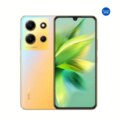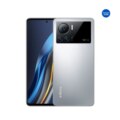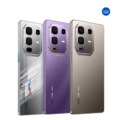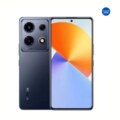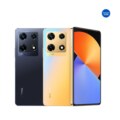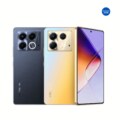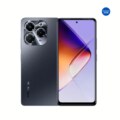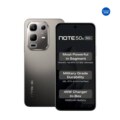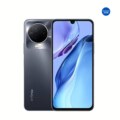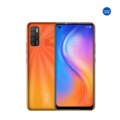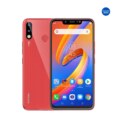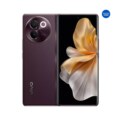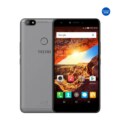

Infinix Note 5 Stylus
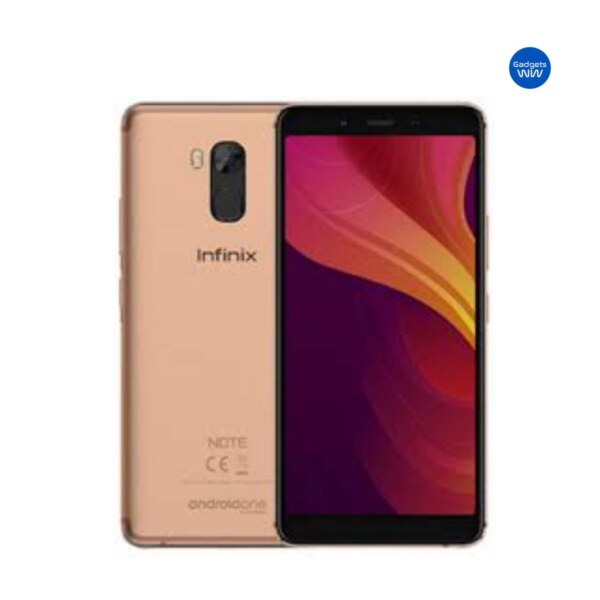
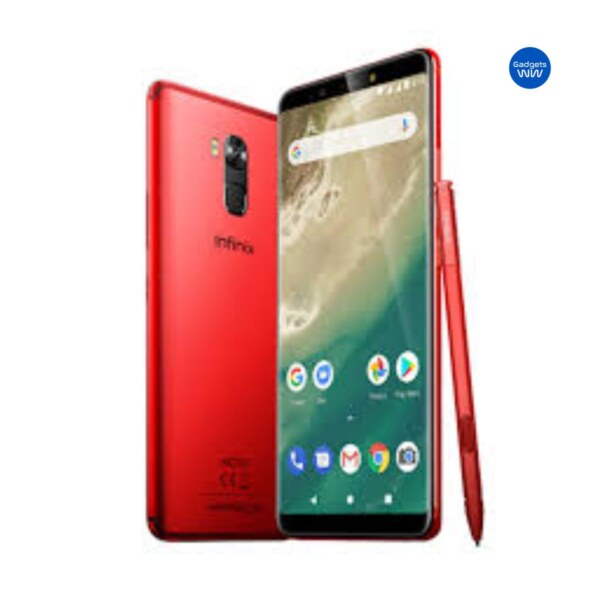
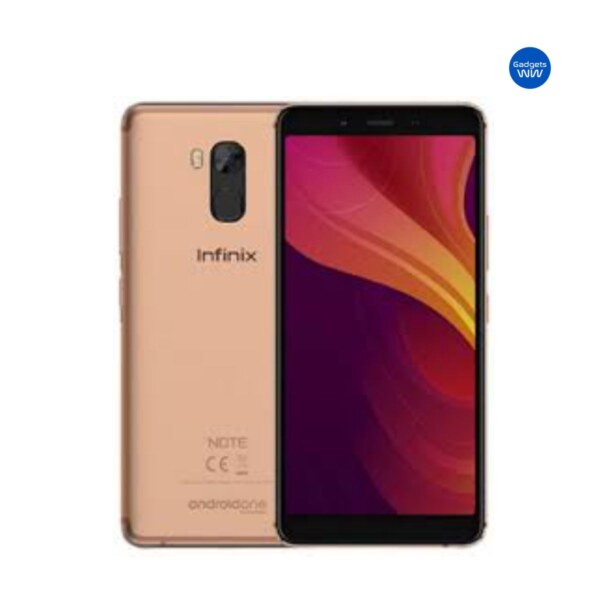
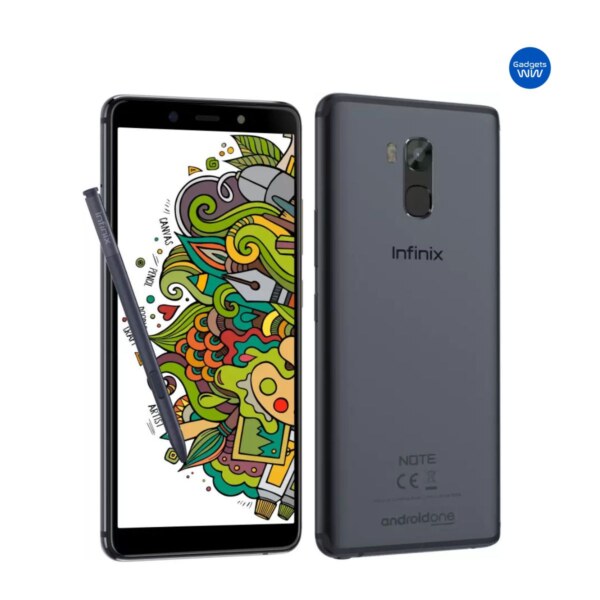
-
Display: 6.0" (1080x2160 pixels)
-
Processor: Helio P23
-
Rear Camera: 16MP
-
RAM: 4GB
-
Storage: 32GB/64GB
-
OS: Android 8.1, Android One
-
Battery: 4000mAh
PROS
- X-Pen stylus with high pressure sensitivity
- The 4,096 pressure levels make the stylus feel quite natural, ideal for sketching, note-taking, or annotating.
- Fast stylus charging
- With only 20 seconds of charging in the silo, you reportedly get around 90 minutes of pen use.
- Clean Android One software
- The Android One program ensures a near-stock Android experience, which many power users appreciate for its simplicity, speed, and timely security updates.
- Good cameras for the price
- Both front and back cameras are 16 MP, which is quite generous in this price bracket, and the rear camera has AI scene detection and a bright f/1.8 aperture.
- Metal unibody design
- The build feels premium thanks to the all-metal body, which is less common in lower-cost stylus phones.
- Solid battery with fast charging
- A 4,000 mAh battery coupled with 18W charging offers good endurance and relatively quick top-ups.
CONS
- Hybrid SIM / microSD slot
- The phone uses a hybrid slot for SIM and microSD, so you might have to choose between a second SIM or extra storage.
- Mediocre performance for high-end tasks
- The Helio P23 chipset is capable, but not ideal for very heavy gaming or demanding productivity compared to some more powerful chips.
- Micro-USB, not USB-C
- In 2018, USB-C was fast becoming the norm, but Infinix stuck with micro USB on this device.
- Video capture limitations
- According to some reviewers, video recording is capped around 1080p at 30fps, which limits the quality for video creators.
- Stylus lag / speed trade-off
- While the stylus is very capable, it may not match the speed, latency, or refinement of premium alternatives like the S-Pen on Galaxy Note series.
Infinix Note 5 Stylus: A Creator’s Dream on a Budget
In late 2018, Infinix shook up the midrange smartphone scene by unveiling the Infinix Note 5 Stylus, a rare budget device with a built-in pen, the X-Pen. For creatives, note-takers, and stylus fans who didn’t want to spend top-tier money, this was a bold move. In this post, we’ll dive deep into what this phone offers, its strengths and trade-offs, and why it could be a compelling value buy.
What Is the Infinix Note 5 Stylus?
At its core, the Infinix Note 5 Stylus is an Android One smartphone, which means it runs a clean, near-stock version of Android, in this case, Android 8.1 Oreo, giving users a smooth, bloat-free experience.
But the real highlight is the X-Pen, a stylus with 4,096 levels of pressure sensitivity that’s housed inside the phone’s body. This gives users a surprisingly refined drawing and writing experience, especially at a price point that’s far below what you’d pay for premium stylus-equipped devices.
Key Specifications
Here’s a rundown of the main specs that make up the Note 5 Stylus’s appeal:
- Display: ~6.0-inch (or ~5.93-inch in some reporting) Full HD+ IPS panel, 1080×2160 pixels, 18:9 aspect ratio.
- Processor: MediaTek Helio P23 (MT6763T), octa-core, paired with Mali-G71 MP2 GPU.
- Memory & Storage: 4 GB RAM; 64 GB internal storage (some sources also mention a 32 GB variant), plus microSD expansion.
- Operating System: Android 8.1 Oreo (Android One).
- Rear Camera: 16 MP, f/1.8, dual LED flash.
- Front Camera: 16 MP, f/2.0, soft LED flash.
- Battery: 4,000 mAh, with 18 W “X-Charge” fast charging.
- Stylus (X-Pen): 4,096 pressure levels, quick charge (20 seconds in the silo gives ~90 minutes of pen use).
- Build: Full-metal unibody, fingerprint sensor on the rear.
- Connectivity: Dual SIM (hybrid slot), dual 4G VoLTE, Wi-Fi, Bluetooth 4.2, micro USB.
Pricing at Launch
When Infinix released the Note 5 Stylus in 2018, here’s roughly how much it cost in various currencies:
- In Nigeria (Naira): According to Naijaknowhow, the 32GB version sold for about ₦70,500, while the 64GB version retailed for around ₦83,000.
- In India (Rupee): Launch price was ₹15,999.
- In US Dollars: About US$227, according to the Gizchina launch report.
- In British Pounds (£): While there’s no direct official UK-launch figure in sources, converting from ~$227 at that time (approximate rate) gives around £175–£185 (rough estimate).
Why the Infinix Note 5 Stylus Stands Out
Here are some of the standout strengths and occasional compromises of this device — from a 2018-era perspective:
Pros
- X-Pen stylus with high pressure sensitivity
The 4,096 pressure levels make the stylus feel quite natural, ideal for sketching, note-taking, or annotating. - Fast stylus charging
With only 20 seconds of charging in the silo, you reportedly get around 90 minutes of pen use. - Clean Android One software
The Android One program ensures a near-stock Android experience, which many power users appreciate for its simplicity, speed, and timely security updates. - Good cameras for the price
Both front and back cameras are 16 MP, which is quite generous in this price bracket, and the rear camera has AI scene detection and a bright f/1.8 aperture. - Metal unibody design
The build feels premium thanks to the all-metal body, which is less common in lower-cost stylus phones. - Solid battery with fast charging
A 4,000 mAh battery coupled with 18W charging offers good endurance and relatively quick top-ups.
Cons
- Hybrid SIM / microSD slot
The phone uses a hybrid slot for SIM and microSD, so you might have to choose between a second SIM or extra storage. - Mediocre performance for high-end tasks
The Helio P23 chipset is capable, but not ideal for very heavy gaming or demanding productivity compared to some more powerful chips. - Micro-USB, not USB-C
In 2018, USB-C was fast becoming the norm, but Infinix stuck with micro USB on this device. - Video capture limitations
According to some reviewers, video recording is capped around 1080p at 30fps, which limits the quality for video creators. - Stylus lag / speed trade-off
While the stylus is very capable, it may not match the speed, latency, or refinement of premium alternatives like the S-Pen on Galaxy Note series.
Who Is This Phone Best For?
- Students & creatives: If you like sketching, taking lecture notes, or doodling, the X-Pen offers real value.
- Budget-conscious users: You get stylus functionality without paying flagship Note-series prices.
- Productivity users: Ideal for note-taking, annotating documents, or quick sketches.
- Stylus skeptics: If you’re curious about styluses but don’t want to spend a fortune, this is a friendly entry point.
Final Thoughts
The Infinix Note 5 Stylus, launched in 2018, is a standout in its segment, An upgraded version of the regular Infinix Note 5. For just ₹15,999 (~US$227), Infinix delivered a full-metal Android One phone with a high-pressure stylus, capable cameras, and a 4,000 mAh battery with fast charging. While it has trade-offs, like the hybrid SIM/microSD slot and a mid-range chipset, the value proposition is compelling. If you’re looking for creative freedom without breaking the bank, the Note 5 Stylus could be your perfect companion.
Specs
LAUNCH
| Announced | 2018. Released 2018 |
| Availability | Discontinued |
NETWORK
| 2G Bands | GSM 850 / 900 / 1800 / 1900 |
| 3G Bands | HSDPA 850 / 900 / 2100 |
| 4G Bands | 1, 3, 5, 8, 38, 40, 41 |
| Speed | HSPA 42.2/5.76 Mbps, LTE Cat4 150/50 Mbps |
| Technology | GSM / HSPA / LTE |
DESIGN
| Measurements | 158 x 75 x 8.4 mm (6.22 x 2.95 x 0.33 in) |
| Weight | 173 g (6.10 oz) |
| Build | Glass front, aluminum back, aluminum frame |
| SIM | Nano-SIM + Nano-SIM Stylus |
DISPLAY
| Type | IPS LCD |
| Size | 6.0 inches, 92.4 cm2 (~78.0% screen-to-body ratio) |
| Resolution | 1080 x 2160 pixels, 18:9 ratio (~403 ppi density) |
PLATFORM
| OS | Android 8.1 (Oreo), Android One |
| Chipset | Mediatek MT6763T Helio P23 (16 nm) |
| CPU | Octa-core 2.0 GHz Cortex-A53 |
| GPU | Mali-G71 MP2 |
MEMORY
| Card Slot | microSDXC (uses shared SIM slot) |
| Internal | 32GB 4GB RAM, 64GB 4GB RAM eMMC 5.1 |
REAR CAMERA
| Single | 16 MP (wide), f/1.8, 1.12µm, PDAF |
| Features | Dual-LED dual-tone flash, panorama, HDR |
| Video | 4K@30fps, 1080p@30fps (gyro-EIS), 720p@120fps |
SELFIE CAMERA
| Single | 16 MP, f/2.0, 26mm (wide), 1/3.06", 1.0µm |
| Video | 1080p@30fps |
SOUND
| Loudspeaker | Yes |
| 3.5mm Jack | Yes |
COMMUNICATION
| WLAN | Wi-Fi 802.11 a/b/g/n |
| Bluetooth | 4.2, A2DP, LE |
| Positioning | GPS |
| NFC | No |
| Radio | FM radio |
| Infrared Port | microUSB 2.0, OTG |
FEATURES
| Sensors | Fingerprint (rear-mounted), accelerometer, gyro, proximity, compass |
BATTERY
| Kind | 4000 mAh, non-removable |
| Charging | 10W wired |
OTHERS
| Colors | Bordeaux Red, Charcoal Blue, Champagne Gold |
| Models | X605 |
PRICE
| Nigeria | ₦83,000 |
| UK | £175–£185 |
| USA | $227 |
| India | ₹15,999 |
EU LABEL
Reviews
Disclaimer Note
The reviews, opinions, and information shared on this blog are based on personal experiences, research, and available product details at the time of writing. While we strive to provide accurate and up-to-date information, we cannot guarantee that all specifications, prices, or features remain current.