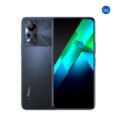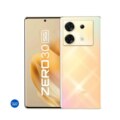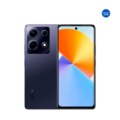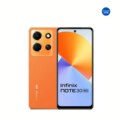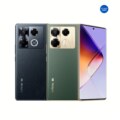

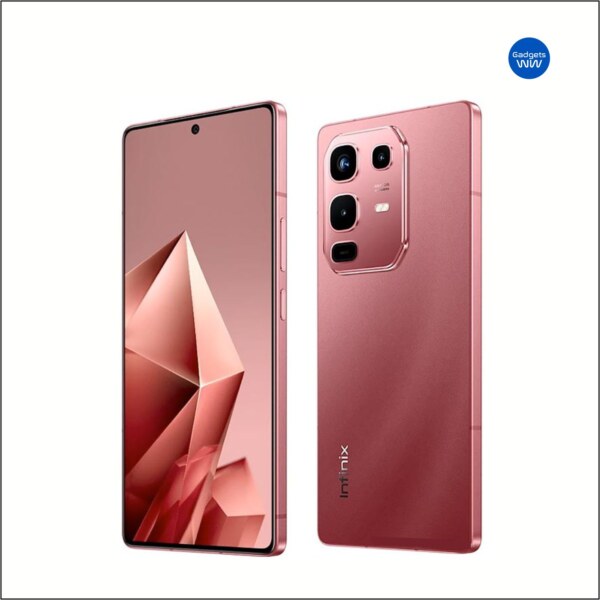
Infinix Note 50 4G
-
Display: 6.78" (1080x2436 pixels)
-
Processor: Helio G100 Ultimate
-
Rear Camera: 50MP
-
RAM: 8GB
-
Storage: 256GB
-
OS: Android 15, up to 2 major upgrades, XOS 15
-
Battery: 5200mAh
PROS
- Vibrant 144Hz AMOLED display, smooth and bright for media, gaming, and daily use.
- Long-lasting battery with fast and wireless charging.
- Solid camera setup with OIS for sharper photos in everyday situations.
- Good performance for its class, smooth Android 15 experience.
- Premium design & build with IP64 resistance.
CONS
- 4G-only connectivity: no 5G support, which may matter to some future-proof buyers.
- Not ideal for heavy gaming compared to more powerful chipsets.
- Low-light camera performance could be better.
Infinix Note 50 4G Review: The Mid-Range Champion of 2025
The Infinix Note 50 4G is one of the most talked-about mid-range smartphones released in March 2025. At a time when many brands focus heavily on 5G, Infinix delivers a compelling 4G flagship alternative that punches well above its weight. With a stunning display, solid camera performance, and impressive battery life, it stakes its claim in the competitive mid-tier segment.
In this very detailed review, we’ll explore everything you need to know about the Infinix Note 50 4G, from performance and design to camera quality, battery endurance, pros and cons, and how it compares to its predecessor counterpart in design and build: the Infinix Note 40 5G.
Release Date & Overview
The Infinix Note 50 4G was officially announced on March 4, 2025 and launched shortly after. It runs on Android 15 with XOS 15 out of the box, making it one of the first devices in its range to ship with the latest Android iteration at launch.
This phone was clearly meant to bridge great performance and affordability, targeting users who want premium features without paying flagship prices.
Launch Price (2025)
One of the most important considerations for buyers in 2025 is pricing, especially in markets like Nigeria where smartphone options are abundant. Here’s how the Infinix Note 50 4G was priced at release:
| Currency | Price |
| 🇳🇬 Naira (NGN) | ~₦180,000 (for the 8GB + 256GB model) |
| 🇺🇸 US Dollar (approx.) | ~$230–$240 (estimated from NGN) |
| 🇬🇧 British Pound (approx.) | ~£180–£190 (estimated) |
| 🇮🇳 Indian Rupee (approx.) | ~₹19,000–₹20,000 (estimated) |
Note: The non-official price conversions are approximate based on real-world exchange rates around 2025. Actual retail prices in regions outside Nigeria may vary.
Design & Build: Sleek and Premium
Infinix Note 50 4G
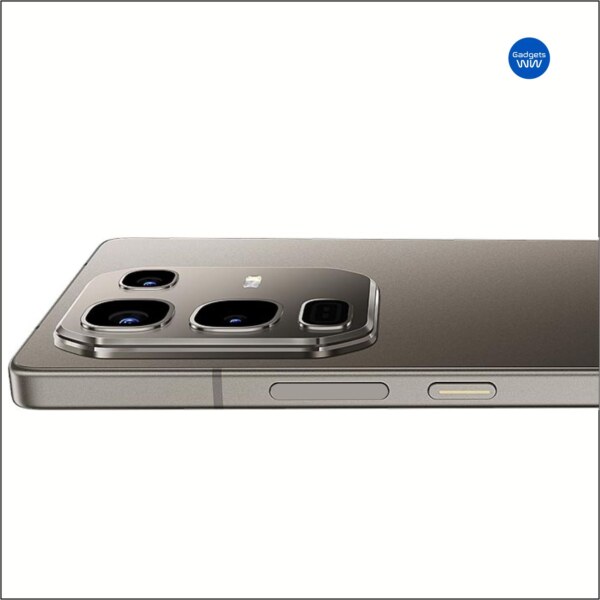
The Infinix Note 50 4G features a glass front with an aluminum frame, giving it a solid and premium feel rarely seen at this price point. It’s slim and lightweight (around 199g), and also comes with an IP64 rating,meaning it’s resistant to dust and light splashes.
The back panel doesn’t feel plasticky like many competitors; it strikes a balance between durability and style. The phone’s flat frame design and glossy finish give it a modern, almost flagship-like aesthetic.
Comparison: Infinix Note 40 5G
When compared with the Infinix Note 40 5G, the Note 50 4G’s design is noticeably more refined. The Note 40 5G also has a glass front and sleek profile, but its IPS LCD panel and slightly thicker frame make it feel a bit less premium overall. The Note 40 5G’s display refresh rate is 120Hz, vs. the Note 50 4G’s faster 144Hz AMOLED, giving the Note 50 4G smoother visuals and more vibrant colours.
Display: Immersive & Vivid
One of the flagship-level highlights of the Note 50 4G is its 6.78-inch AMOLED display with 144Hz refresh rate and a peak brightness of up to 1300 nits, remarkable for a mid-range device.
This panel delivers:
- Deep blacks and saturated colours
- Ultra-smooth scrolling and responsiveness
- Great outdoor visibility at high brightness
- Minimal motion blur during gaming and scrolling
Whether you’re watching videos, scrolling social media, or gaming, the display feels premium and immersive, a noticeable upgrade over many older mid-range phones.
Performance: Capable Everyday Power
Under the hood, the Infinix Note 50 4G is powered by the MediaTek Helio G100 Ultimate (6nm) chipset paired with 8GB RAM and 256GB storage.
This configuration manages everyday tasks effortlessly, from multitasking and web browsing to social media and light gaming. While not designed to rival dedicated gaming devices, it handles moderately demanding games and apps with confidence.
Key Performance Aspects:
- Smooth UI experience with Android 15/XOS 15
- Handles multiple apps without significant slowdowns
- Good thermal performance under sustained use
- Expandable storage via microSD (in supported regions)
For most users, this level of performance will be more than adequate for daily needs.
Camera: Sharp, Reliable Shooter
The camera system on the Note 50 4G is another highlight. It combines practical hardware with capable software processing.
Rear Camera
- 50MP main sensor with OIS for stable shots in daylight and reasonable low-light performance
- Secondary secondary sensor (macro or depth) for creative shots
- Decent video recording at up to 1080p
Front Camera
- 13MP selfie camera that is solid for video calls, social content, and selfies in daylight
In everyday use, the main camera captures detailed photos with good dynamic range. Night or low-light shots are decent but not class-leading, typical for phones in this price segment.
Battery Life: All-Day Endurance
Battery life is one of the Infinix Note 50 4G’s strongest suits. Its 5200mAh battery ensures you can easily get through a full day of heavy usage, including browsing, gaming, video playback, and chatting.
It supports 45W fast charging, letting you recharge quickly when needed. Additionally, some variants even include 30W wireless MagCharge, which is rare and premium for the category.
Audio & Connectivity
The phone includes stereo speakers tuned by JBL (in some announcements), giving loud and balanced audio, excellent for media and casual listening. You also get a robust suite of connectivity options, including:
- Dual-SIM 4G LTE support
- Bluetooth 5.x
- USB-C port
- NFC (region dependent)
- In-display fingerprint sensor
Pros & Cons
Pros
- Vibrant 144Hz AMOLED display, smooth and bright for media, gaming, and daily use.
- Long-lasting battery with fast and wireless charging.
- Solid camera setup with OIS for sharper photos in everyday situations.
- Good performance for its class, smooth Android 15 experience.
- Premium design & build with IP64 resistance.
Cons
- 4G-only connectivity: no 5G support, which may matter to some future-proof buyers.
- Not ideal for heavy gaming compared to more powerful chipsets.
- Low-light camera performance could be better.
Conclusion: Who Should Buy It?
The Infinix Note 50 4G is a strong contender in the 2025 mid-range segment. It’s perfect for:
✔ Users who want a premium display experience without flagship pricing
✔ Anyone who consumes a lot of media on their phone
✔ Buyers who prioritize battery life and fast charging
✔ Users upgrading from older mid-range devices
If you need 5G or top-tier gaming performance, then options with 5G chipsets might be better choices, but for everyday users, the Note 50 4G delivers a compelling balance of performance, features, and price.
Specs
LAUNCH
| Announced | 2025, March 04 |
| Availability | Available. Released 2025, March |
NETWORK
| 2G Bands | GSM 850 / 900 / 1800 / 1900 |
| 3G Bands | HSDPA 850 / 900 / 1700(AWS) / 1900 / 2100 HSDPA 850 / 900 / 2100 |
| 4G Bands | 1, 2, 3, 4, 5, 7, 8, 12, 17, 13, 26, 28, 38, 40, 41, 66 1, 2, 3, 4, 5, 7, 8, 20, 28, 38, 40, 41 1, 3, 5, 8, 38, 40, 41 |
| Speed | HSPA, LTE |
| Technology | GSM / HSPA / LTE |
DESIGN
| Measurements | 163.3 x 74.4 x 7.6 mm (6.43 x 2.93 x 0.30 in) |
| Weight | 199 g (7.02 oz) |
| Build | Glass front, aluminum frame |
| SIM | Nano-SIM + Nano-SIM IP64 dust tight and water resistant (water splashes) Aerospace-Grade Aluminum RGB notification light (on the back) |
DISPLAY
| Type | AMOLED, 1B colors, 144Hz, 2160Hz PWM, 1300 nits (peak) |
| Size | 6.78 inches, 109.9 cm2 (~90.4% screen-to-body ratio) |
| Resolution | 1080 x 2436 pixels (~393 ppi density) |
PLATFORM
| OS | Android 15, up to 2 major Android upgrades, XOS 15 |
| Chipset | Mediatek Helio G100 Ultimate (6 nm) |
| CPU | Octa-core (2x2.2 GHz Cortex-A76 & 6x2.0 GHz Cortex-A55) |
| GPU | Mali-G57 MC2 |
MEMORY
| Card Slot | Unspecified |
| Internal | 256GB 8GB RAM UFS 2.2 |
REAR CAMERA
| Dual | 50 MP, f/1.9, (wide), 1/1.57", 1.0µm, PDAF, OIS 2 MP (macro) |
| Features | Dual-LED flash, HDR, panorama |
| Video | 1440p@30fps, 1080p@30/60/240fps |
SELFIE CAMERA
| Single | 13 MP, f/2.2, (wide) |
| Video | 1080p@30fps |
SOUND
| Loudspeaker | Yes, with stereo speakers |
| 3.5mm Jack | No Tuned by JBL 24-bit/192kHz Hi-Res & Hi-Res wireless audio |
COMMUNICATION
| WLAN | Wi-Fi 802.11 a/b/g/n/ac, dual-band |
| Bluetooth | 5.4, A2DP, LE |
| Positioning | GPS |
| NFC | Yes (market/region dependent) |
| Radio | FM radio |
| Infrared Port | Yes |
| USB | USB Type-C 2.0, OTG |
FEATURES
| Sensors | Fingerprint (under display, optical), accelerometer, gyro, proximity, compass |
BATTERY
| Kind | 5200 mAh |
| Charging | 45W wired, 100% in 60 min 30W wireless MagCharge 10W Reverse wired Reverse wireless Bypass Charging |
OTHERS
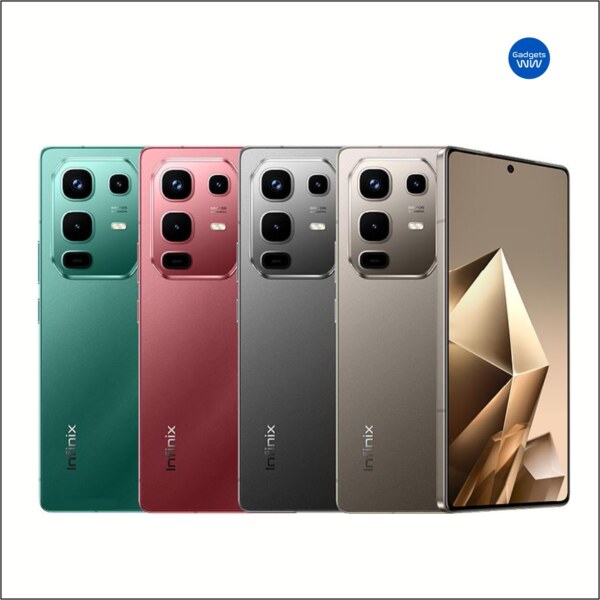
| Colors | Titanium Grey, Ruby Red, Mountain Shade, Shadow Black |
| Models | X6858 |
PRICE
| Nigeria | ₦180,000 |
| UK | £180–£190 |
| USA | $230–$240 |
| India | ₹19,000–₹20,000 |
EU LABEL
Reviews
Disclaimer Note
The reviews, opinions, and information shared on this blog are based on personal experiences, research, and available product details at the time of writing. While we strive to provide accurate and up-to-date information, we cannot guarantee that all specifications, prices, or features remain current.